If your morning routine feels less like a normal schedule and more like a high-stakes negotiation, you are not alone. Managing an audhd child school transitions routine can trigger immense emotional distress for the entire household. You might watch your child play happily one minute, only to fall into an intense, tearful breakdown the moment you say, “It is time to put your shoes on for the bus.”
It is easy to misinterpret this behavior as simple stubbornness or defiance. However, as a medical professional specializing in neurodivergent care, I want to reassure you: your child is not trying to give you a hard time. They are experiencing a very real, very intense internal neurological tug-of-war.
Understanding why your AuDHD child struggles with school transitions allows you to trade parental frustration for effective, practical tools. Let us break down the exact brain science behind this struggle in simple terms, alongside real-world strategies you can use at home starting tomorrow morning.
The AuDHD Brain: An Internal Tug-of-War
To understand why a transition causes a meltdown, we need to look at how the Autistic brain and the ADHD brain interact. They have competing needs, and a school transition forces them to crash directly into each other.
+------------------------------------------------------------+

|                  THE AUDHD BRAIN CONFLICT                  |
+------------------------------------------------------------+

|  THE AUTISM SIDE DEMANDS:      │  THE ADHD SIDE DEMANDS:   |
|  • Sameness and predictability │  • Novelty and excitement  |
|  • Deep focus on safe topics   │  • Fast chemical rewards  |
|  • Rigid routine structures    │  • Impulsive shifts        |
+------------------------------------------------------------+
                             │
                             ▼
  RESULT: Severe "Cognitive Friction" during transitions!
The Autistic Need for Sameness
The autistic side of your child’s brain thrives on absolute predictability. It builds a safe mental map of the day. Home is safe, quiet, controlled, and familiar. School is loud, unpredictable, and highly social. Moving from a safe zone to a chaotic zone causes a massive spike in anxiety. According to systematic data gathered by the National Institutes of Health (NIH), children on the autism spectrum show significantly lower baseline emotional readiness for school transitions, manifesting as self-regulation difficulties.
The ADHD Dopamine Chase
The ADHD side of the brain runs on a chemical called dopamine. When your child is playing with Legos, watching a favorite video, or reading a comic, their brain is flooded with dopamine. When you say, “Stop playing, we need to go,” you are asking their brain to instantly cut off its supply of dopamine. The ADHD nervous system experiences this sudden drop as physical discomfort, triggering an immediate defensive response.
Cognitive Friction
When these two conditions live together, your child experiences intense cognitive friction. The autistic side hates leaving the current safe routine, while the ADHD side fights the loss of a dopamine-rewarding activity. The result? A complete nervous system overload that looks like a tantrum but is actually an involuntary survival response.
Decoding “School Transition” Trigger Points
When we say “school transitions,” we aren’t just talking about walking through the schoolhouse door. The average school morning is a minefield of small micro-transitions.
Recognizing these specific trigger points helps you spot warning signs early:
The Wake-Up Shift:
Moving from a resting sleep state to an active, sensory-filled morning environment.
The Object Disconnection:
Forcing a child to put down an object of intense hyper-focus (like a specialized toy or a tablet).
The Wardrobe Sensory Shock:
Changing from soft, safe pajamas into stiff school uniforms, scratchy socks, or heavy shoes.
The Boundary Crossing:
Leaving the perimeter of the home, stepping into the car, or boarding a noisy school bus.
5 Practical Strategies for Smooth School Transitions:
You do not need a medical degree or complex therapeutic equipment to support your child’s nervous system. These five highly effective, non-medical interventions lower cognitive friction and ease morning anxiety.
Implement “The Bridge Method”:
Never stop an AuDHD child’s activity abruptly. Instead, build a psychological “bridge” from one activity to the next using an anchor object.
- How it works: If your child is highly focused on playing with green toy dinosaurs, do not snatch the toy away. Instead, tell them, “The green dinosaur is going to ride in the car booster seat with us today to keep you safe.”
- Why it helps: The safe, dopamine-producing object travels with them across the scary transition boundary, reassuring the autistic brain while keeping the ADHD brain engaged.
Ditch Verbal Countdowns for Visual Timers:
Shouting, “Ten minutes left!” or “Five minutes until we leave!” is completely ineffective for an AuDHD child. Neurodivergent children often experience time blindness—they cannot physically conceptualize what “five minutes” feels like. Verbal countdowns simply sound like a vague, approaching threat, which increases adrenaline.
[Verbal Countdown]  ───► Shouting "5 Minutes!" ───► Spikes Cortisol & Anxiety
[Visual Countdown]  ───► Hourglass / Color Disk ───► Brain Easily Processes Change
The Fix: Instead of shouting, use a physical, visual countdown tracker, such as a large sand hourglass or a mechanical visual desk clock. According to clinical guidelines published by CHADD (Children and Adults with ADHD), utilizing external physical timers is an essential, proven accommodation to help a child process time blindness
Action Step: Point directly to the changing physical timer and say, “When the red color or sand disappears completely, it is time to put on our school shoes.” This simple visual shift allows the child’s brain to track the transition easily without an unexpected rush.
Incorporate Morning “Heavy Work” (Proprioceptive Input):
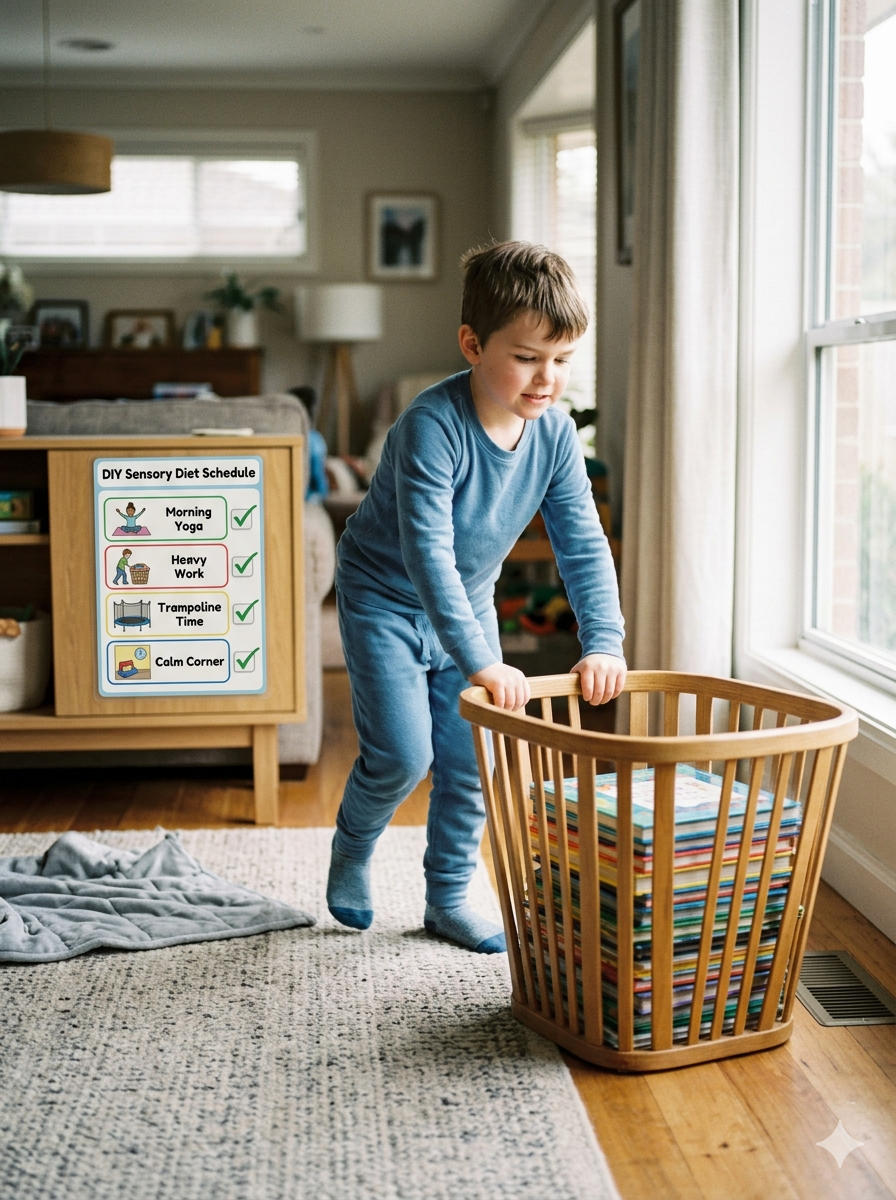
Before stepping out the door, your child’s nervous system needs grounding physical input. In pediatric therapy, we refer to this as heavy work. Pushing, pulling, or carrying heavy items sends calming, organizing signals to the brain’s sensory processing center.
- Easy At-Home Examples:
- Have your child wear a slightly weighted backpack containing two small water bottles during the walk to the car.
- Ask them to do ten big “animal crawls” (like a heavy bear crawl) down the hallway toward the front door.
- Let them carry a heavy laundry basket full of clothes to the washing machine as part of the morning routine.
Using heavy work everyday is a simple, cost-free tool to help manage a difficult audhd child school transitions morning safely.
Create an Co-Produced Visual Checklist:
AuDHD children exhaust a massive amount of mental energy trying to remember what step comes next. This causes executive dysfunction burnout before they even arrive at school.
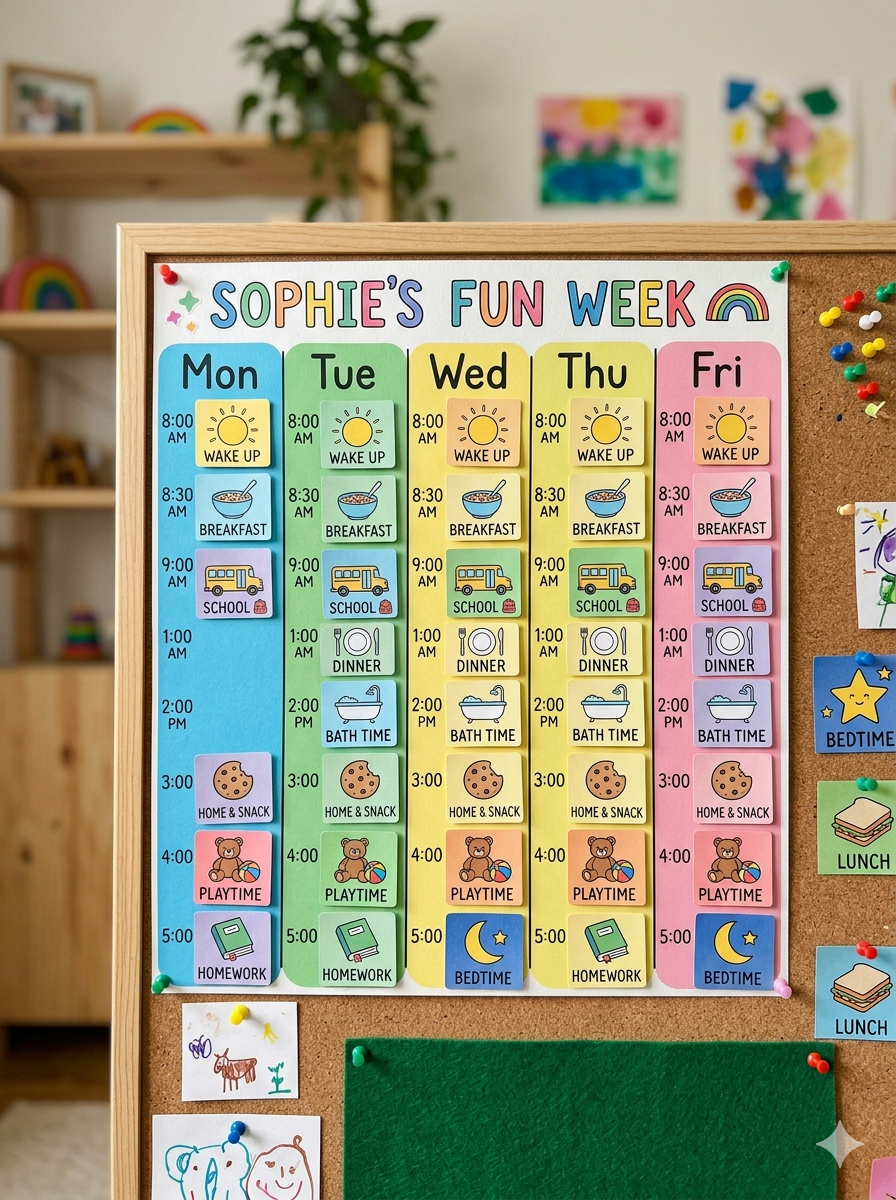
- Action Step: Create a highly visual, step-by-step chart using clear pictures of their actual items (their coat, their shoes, their lunchbox).
- The Secret: Build this chart with your child on a weekend when they are calm. Let them use velcro icons or dry-erase checkmarks to check off each step themselves. This satisfies the ADHD brain’s need for autonomy and reward while fulfilling the autistic brain’s need for structured order.
Establish a “One-Page Profile” with the School Staff:
A successful transition depends on building a continuous circle of care between home and the classroom. Do not assume the school understands your child’s specific neurodivergent profile. Peer-reviewed research emphasized by the Mayo Clinic Health System highlights that maintaining predictable structures across environments minimizes behavioral meltdowns.
- Action Step: Create a brief, bulleted “One-Page Profile” and email it directly to your child’s primary teacher.
- What to include: Keep it short and practical:
- “What triggers my child: Sudden changes in schedule without visual warning.”
- “What helps calm them: Holding a small pocket fidget spinner or being given a helper task like wiping down the whiteboard.”
Designing a Low-Friction AudHD Child School Transitions Routine
| Time | Target Transition | Neuro-Affirming Parent Strategy |
| 7:00 AM | Sleep to Wakefulness | Open blinds slowly; play soft ambient music instead of using a loud, buzzing alarm clock |
| 7:30 AM | Pajamas to Clothes | Allow them to wear sensory-friendly school clothes (tagless, elastic waistbands) to avoid early tactile distress. |
| 8:00 AM | Breakfast to Packing | Use a visual countdown timer on the kitchen table to signal when mealtime is wrapping up. |
| 8:15 AM | House to Car | The Bridge Method: Let your child carry a favorite sensory helper object down the hallway to the vehicle. |
A Note of Encouragement for Parents:
When your AuDHD child struggles with school transitions, it can feel incredibly isolating. You might feel judged by onlookers or blame yourself for the morning chaos.
Please remember: your child’s brain is processing a massive storm of sensory data and chemical shifts all at once. By introducing visual tools, implementing the Bridge Method, and infusing heavy work into your routine, you can lower the environmental temperature. Over time, you will help your child build a dependable sense of safety as they navigate the world.
Be patient with yourself and your child. Every small adjustment you make helps build a more predictable, supportive path through the morning routine.
Struggling to tell a transition frustration apart from a sensory emergency? Read our comprehensive comparison guide on AuDHD Meltdown vs Sensory Overload Differences to spot early warning signs.
To proactively regulate your child’s nervous system before school starts, check out our free, step-by-step guide on building a custom DIY Sensory Diet Schedule for ADHD at Home.
Frequently Asked Questions
AuDHD school anxiety is rarely about school itself; it is a response to the overwhelming sensory and cognitive shift required to get there. Your child is moving from a predictable home environment to a highly stimulating classroom. This transition forces the autistic need for routine and the ADHD need for dopamine to clash, creating intense nervous system dread that manifests as morning anxiety or physical complaints like stomach aches.
When a child completely refuses to go to school, their nervous system is in a “flight or fight” survival state. Pushing, lecturing, or shouting will worsen the lockdown. Instead, lower your voice, validate their feelings by saying, “I see you are feeling incredibly overwhelmed right now,” and focus on a small, low-stress sensory task. Use a physical visual timer to break the morning down into tiny, manageable micro-steps rather than focusing on the giant task of “going to school.”
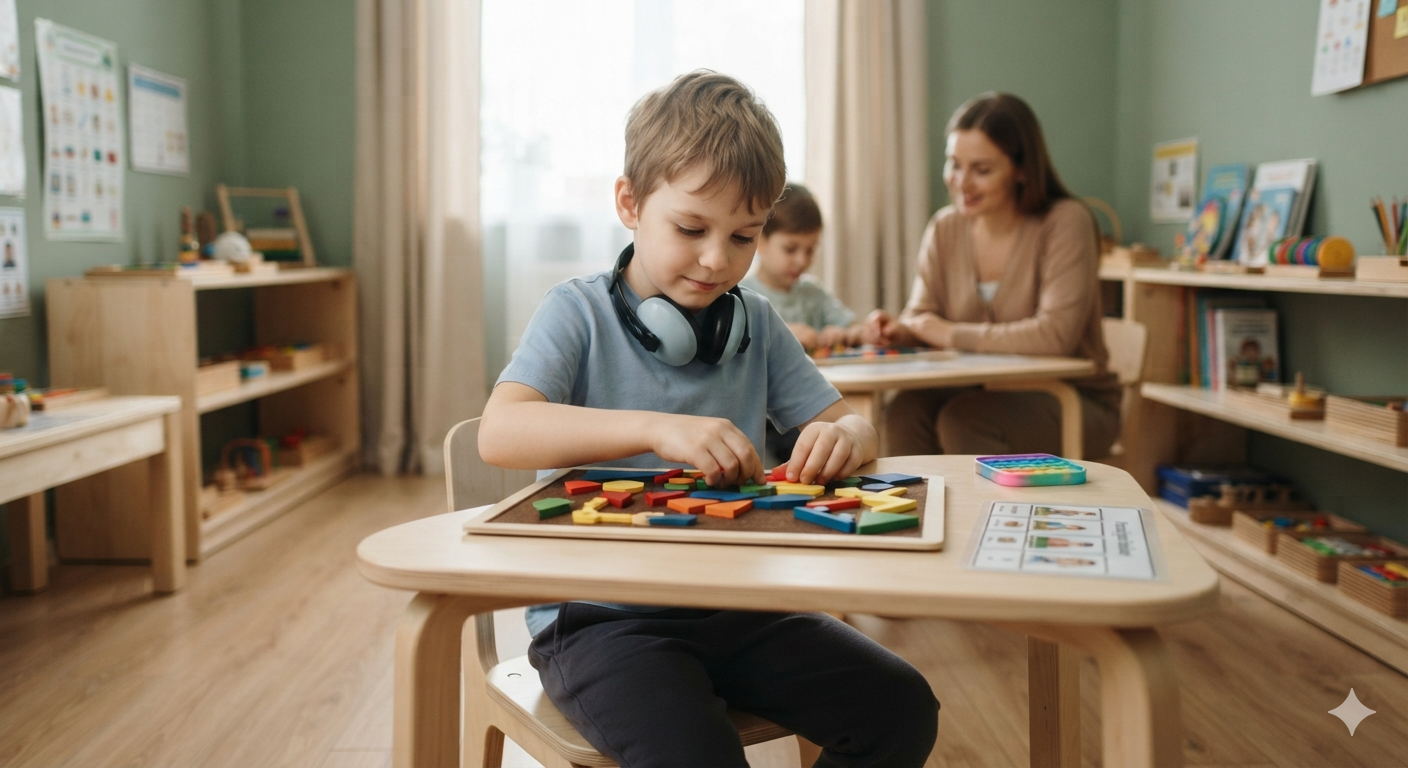
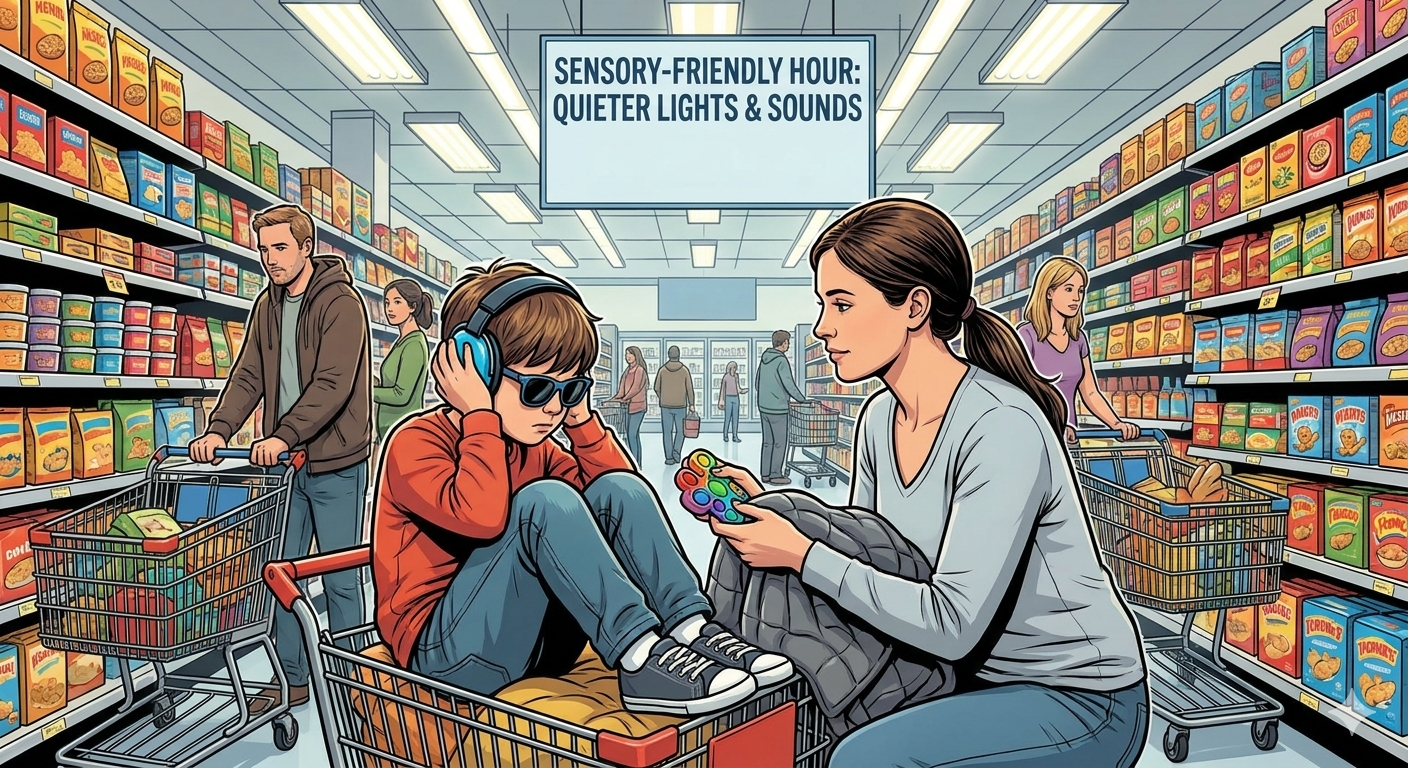
The best sensory tools bridge the gap between home and the classroom without causing a distraction. Highly effective options include small pocket fidgets (like textured worry stones or quiet zipper pulls), noise-reducing earplugs for a chaotic school bus ride, and incorporating “heavy work” before leaving the house. Letting your child carry a heavy backpack or do ten bear crawls down the hallway helps ground their nervous system and lowers acute transition anxiety.
Create a brief, bulleted “One-Page Profile” rather than sending a long medical history. Clearly list your child’s top two sensory triggers (such as sudden loud noises or abrupt schedule changes) and share two simple strategies that work at home, such as using visual countdowns or offering a calming “helper task” like handing out worksheets to ease their transition into the classroom.
⚖️ Medical Disclaimer:
The information provided on this website, including text, graphics, images, and other materials, is for general educational and informational purposes only. It is not intended to be a substitute for professional medical advice, diagnosis, or clinical treatment. Always seek the advice of your physician, pediatrician, or another qualified healthcare provider with any questions you may have regarding a medical condition, neurodevelopmental evaluation, or sensory integration strategy. Never disregard professional medical advice or delay in seeking it because of something you have read on this blog. Make sure to double-check physical labels, product documentation, and clinical instructions to confirm accuracy before implementing new routines.
Written by: Dr. Ravi Bhatt, BHMS
Focus: Pediatric Neurodevelopmental Support & Family Sensory Integration