When your neurodivergent child has a sudden emotional explosion, telling the difference between an AuDHD meltdown vs sensory overload can feel nearly impossible. However, knowing exactly what is happening in their nervous system is essential for choosing the right way to help them calm down. If you misjudge their distress, you might accidentally use an approach that makes the episode last much longer.
If we misjudge what is happening, we might use the wrong approach—which can accidentally make the situation last longer and cause more distress for your child.
This guide skips the complex medical jargon to give you practical, real-world ways to spot the difference between a sensory storm and a full neurodivergent meltdown. You will learn how to catch the early warning signs and exactly what to do to help your child feel safe again.
Inside the AuDHD Child’s Mind:
To help an AuDHD child, it helps to understand how their brain processes a normal day.
The Autistic side of their brain loves predictability, routines, and a quiet environment. It gets easily overwhelmed by too much noise, bright lights, or sudden changes.
The ADHD side brings intense emotions, a constant need for movement, and difficulties with patience or planning ahead.
When these two traits live together, they do not just take turns; they push against each other.
An AuDHD child’s brain is constantly working overtime. It is trying to block out background noises, cope with sudden changes in plans, and keep impulses under control all at once. Because their internal system is always working so hard, they run out of energy much faster than neurotypical kids.
What looks to us like a sudden, unprovoked explosion is almost always the final drop of water that overflows a bucket that has been filling up all day long.
What is Sensory Overload?
Think of sensory overload as a massive traffic jam in the brain. It happens when your child’s senses take in way more information than their mind can sort, organize, and file away.
Common Everyday Triggers:
Sounds:
Echoing school cafeterias, multiple people talking at once, or the hum of a refrigerator.
Sights:
Bright fluorescent store lights or a highly cluttered classroom wall.
Touch:
Scratchy clothing tags, a sudden unexpected tap on the shoulder, or sticky food on their fingers.
Internal:
Not realizing they are hungry, thirsty, or need to use the bathroom until it becomes an emergency.
What it Looks Like?
During sensory overload, your child is still trying to cope and fix the problem. They might cover their ears, squint their eyes, hide under a table, or become very irritable. Sometimes, they might do the opposite and start spinning or pacing rapidly to try and “drown out” the upsetting noises.
When a child experiences sensory processing difficulties, their central nervous system is literally receiving more environmental input than it can sort, prioritize, or control. To see how these sensory processing problems present in children with ADHD, you can read the comprehensive medical review hosted on the National Institutes of Health PubMed Central Database.
Public places with bright lights and loud noises often trigger these episodes. If you struggle with public outings, you can read our practical [Autism Sensory Overload Grocery Store Survival Guide] to help manage your next shopping trip smoothly.
What is an AuDHD Meltdown?
A meltdown is not a tantrum. A tantrum happens when a child wants a specific item or reaction and stops once they get it. A meltdown is a complete, involuntary collapse of your child’s nervous system.
The Brain in “Survival Mode”
When sensory overload, tiredness, and frustration pile up too high, the emotional alarm system in the brain takes complete control. It triggers a primitive fight, flight, or freeze response.
When this happens, the logical, thinking part of your child’s brain completely shuts down. They literally cannot hear your logic, follow your rules, or control their body at that moment.
During a meltdown, the ADHD side of your child’s brain can amplify emotional dysregulation. For parents wanting a clinical look at how these dual traits interact, a study published by the PLOS ONE Medical Journal breaks down how pediatricians diagnose and track overlapping ASD and ADHD behavioral patterns.
The ADHD Twist
In a purely autistic meltdown, the trigger is usually too much noise or a broken routine. In an AuDHD meltdown, ADHD makes their emotions feel incredibly intense. A meltdown might happen because a sudden change in plans (the Autistic need for routine) combines with a small mistake that makes them feel like a failure (the ADHD struggle with big emotions).
What it Looks Like?
During a full meltdown, your child has lost cognitive control. They might scream, cry, throw things, or run away to escape. On the other hand, they might experience a “shutdown,” where they go completely quiet, stare into space, and cannot move or speak.
At a Glance: AuDHD Meltdown vs Sensory Differences:
| What is Happening? | Sensory Overload | AuDHD Meltdown |
| The Brain’s State | The senses are overwhelmed. The brain is struggling to filter out the world. | Total nervous system collapse. The brain is in survival mode. |
| Can They Think Clearly? | Yes, partially. They can still listen to simple directions and tell you what hurts. | No. The thinking part of the brain is completely offline. |
| What is the Goal? | To get away from the painful noise, light, or texture. | None. This is an involuntary release of built-up pressure. |
| How to Fix It | Remove the noise or light, or move to a quiet room for quick relief. | It cannot be stopped. It needs time, safety, and a quiet space to burn out. |
| How They Feel After | They recover quickly once the environment is calm. | Extremely exhausted, sad, confused, or ashamed. |
While analyzing the AuDHD meltdown vs sensory processing differences helps on paper, catching the shift in real life requires watching for early warning signs.
The Subtle Warning Signs: Catching It Early:
The best way to prevent a meltdown is to spot the warning signs before the “bucket” overflows. Watch for these two distinct phases:
Phase 1: The Yellow Light (Getting Overwhelmed)
- They start repeating words, humming, or making repetitive noises more than usual.
- They become clumsy, drop things, or bump into walls.
- They refuse to make eye contact or look away when you speak to them.
- They hyper-focus intensely on one toy or video game to try and block out the room.
Phase 2: The Red Light (Near the Breaking Point)
1.They snap or get angry at very simple, everyday questions.
2.Physical signs: wide eyes, flushed cheeks, fast breathing, or sweaty hands.
3.They become incredibly rigid about rules or start rocking back and forth frantically.
4.It takes them a long time to answer you, as if they can barely process your words.
A Parent’s Step-by-Step Action Guide
Your helper strategy must match your child’s current brain state. Treating a meltdown like simple sensory overload can accidentally make things worse.When navigating an AuDHD meltdown vs sensory overstimulation, your real-world helper strategy must match your child’s current brain state.
Strategy A: Handling Sensory Overload
Cut the Clutter:
Turn off overhead lights, silence the TV, and move away from crowds.
Use Tools:
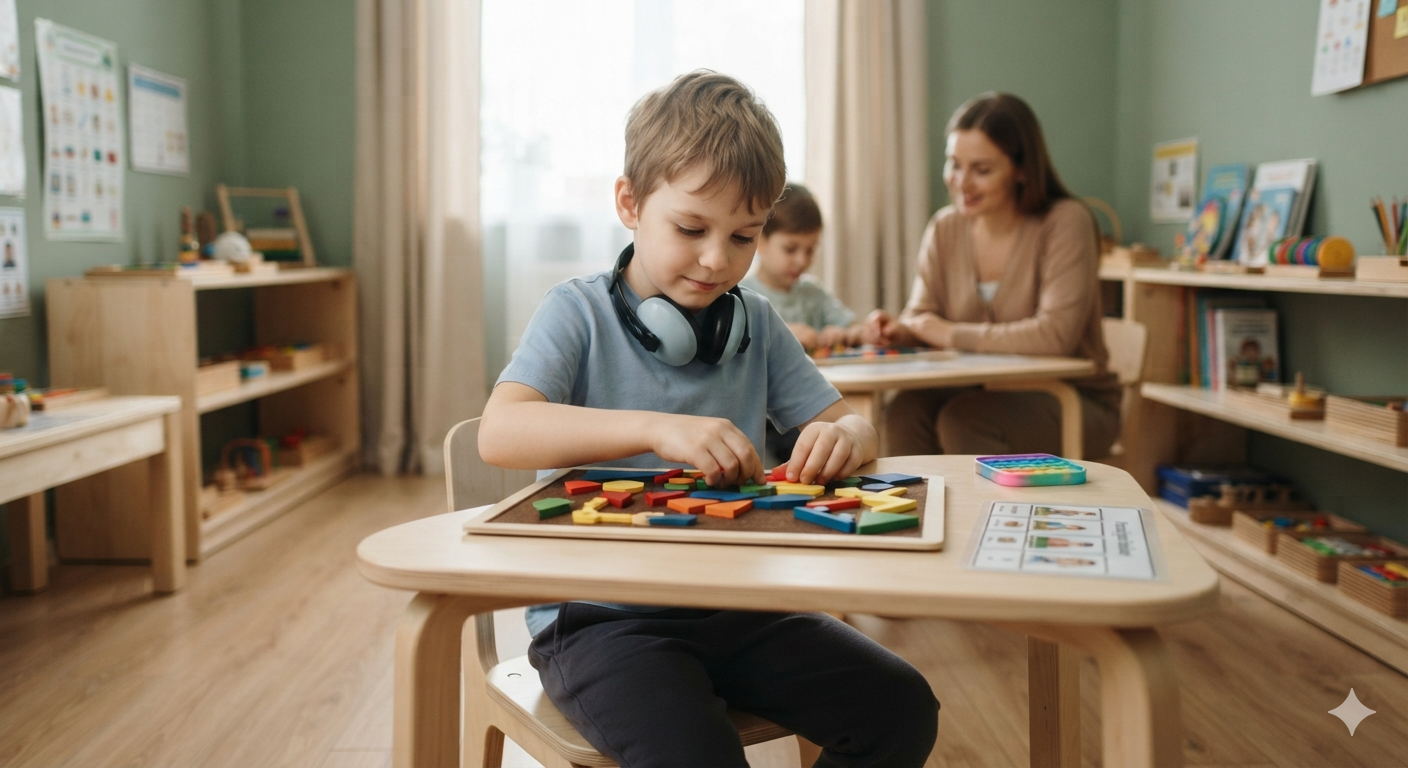
Put on noise-canceling headphones or sunglasses to dull the environment.
Use Fewer Words:
Speak in a quiet, slow, gentle whisper. Use tiny phrases like “Let’s go to the quiet space,” instead of asking big questions like “Why are you crying? What do you need?”
Offer Deep Pressure:
If your child likes it, give them a tight hug, a weighted blanket, or a heavy lap pad to help calm their nervous system.
Strategy B: Handling a Full Meltdown:
Once a meltdown begins, you cannot reason, bargain, or talk your child out of it. Your only goal is absolute safety and calm reassurance.
Make the Area Safe:
Move sharp objects, hard toys, or furniture out of the way. If they are on the floor, slide a pillow under their head.
Stop Talking Entirely:
Because their language brain is offline, your voice sounds like frustrating, loud static. Use zero words. Just sit quietly nearby.
Do Not Hold Them Down (Unless Dangerous):
Grabbing or restraining a child in fight-or-flight mode makes them feel trapped, causing them to fight back harder. Only hold them if they are about to hurt themselves or someone else.
Protect Their Dignity:
Keep other family members or onlookers away. Give them a private, dark space to let the neurological storm pass without shame.
Instead of relying on typical worksheets, handling neurodivergent emotions requires ‘co-regulation’—where your own calm nervous system helps soothe theirs. If you want to build an effective toolkit, the Mind by Design Therapeutic Guide outlines evidence-based movement strategies and environmental modifications that work best for neurodivergent children.
Building a Portable Calm-Down Kit:
Proactively managing an AuDHD meltdown vs sensory overload baseline means equipping your environment with the right tools. To help lower your child’s daily stress levels, pack a small backpack with these sensory helpers to keep in your car or house:
- Kid-Friendly Earplugs or Headphones: High-quality earplugs can lower loud background noises while still letting them hear your voice.
- Chewable Jewelry (Chewelry): Made of safe, medical-grade silicone, these give a safe outlet for stress and chewing needs.
- Blue-Light Glasses: Simple tinted glasses help tone down harsh, buzzing supermarket lights.
- Fidget and Texture Strips: Small toys with predictable textures help ground their mind through touch.
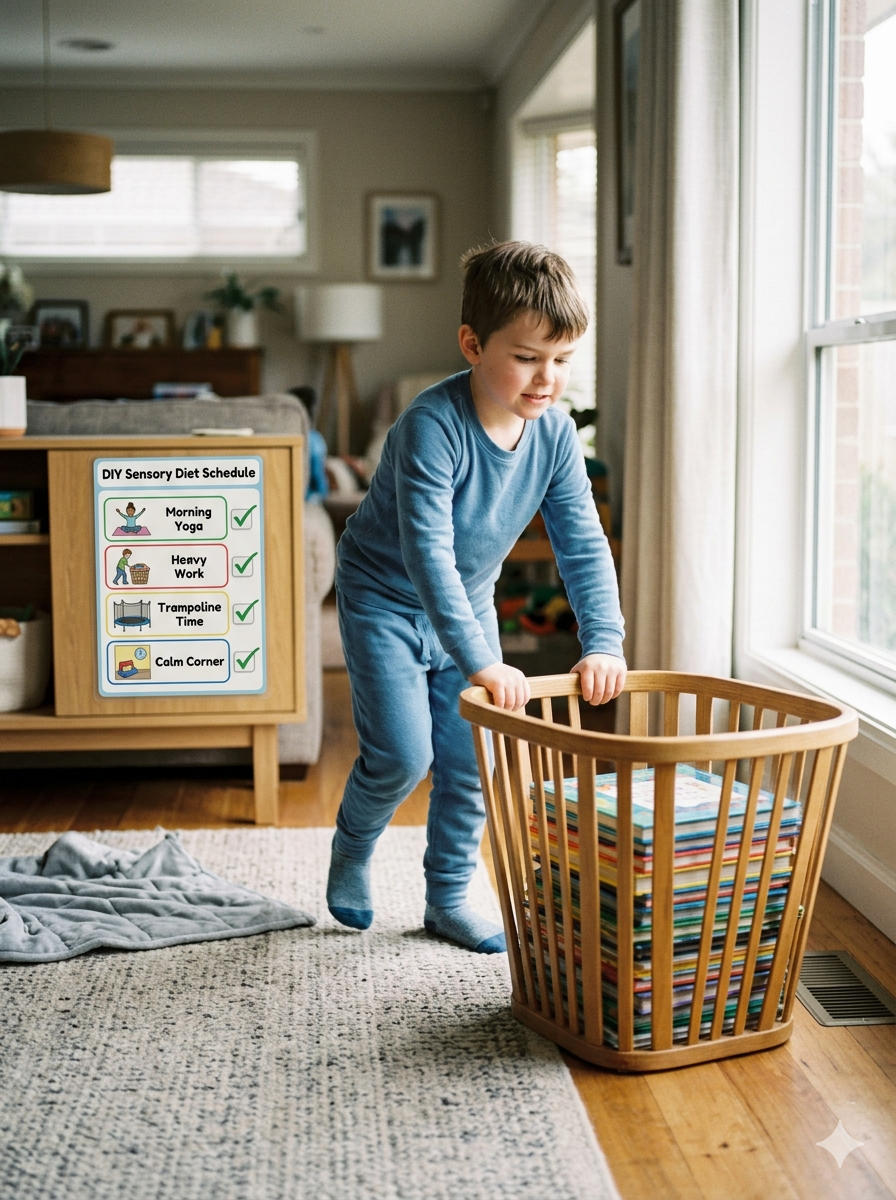
Proactively managing an AuDHD meltdown vs sensory overload baseline means equipping your environment with the right tools. If you want to establish an organized sensory routine, setting up a DIY sensory diet schedule at home is one of the most effective ways to keep a child balanced throughout the day. Pack a small backpack with these sensory helpers.
When to Ask a Professional for Help:
While big emotions and sensory sensitivities are completely normal for AuDHD children, it is always okay to ask for extra backup. Consider reaching out to a pediatrician or an Occupational Therapist (OT) if:
- Meltdowns regularly last longer than 45 minutes or happen multiple times every day.
- The episodes leave your child, you, or their siblings with physical injuries.
- Sensory issues mean your child can only eat one or two foods, or they refuse to go to school.
- You feel completely burned out, anxious, or overwhelmed as a parent.
If sensory over-responsivity is severely disrupting your family’s daily life, it is highly recommended to seek a professional assessment. You can learn more about identifying specific triggers and tracking symptoms by visiting the Child Mind Institute Guide to Sensory Issues.
Professional & Clinical References:
To explore the clinical frameworks, diagnostic cross-sections, and evidence-based interventions for neurodivergent children further, review these authoritative medical resources:
- Official Diagnostic Profiles: For deep-dive clinical breakdowns of how executive dysfunction and sensory symptoms intersect in co-occurring neurodevelopmental diagnoses, consult the formal criteria guidelines hosted by the American Psychiatric Association (APA).
- Sensory Integration Research: To understand sensory processing deficits, nervous system filtering failures, and therapeutic sensory diets, review the evidence-based clinical practices outlines on the American Occupational Therapy Association (AOTA) platform.
- ADHD & Emotional Regulation Studies: For comprehensive educational toolkits, behavioral accommodation strategies, and resources detailing ADHD emotional dysregulation, view the diagnostic literature libraries maintained by CHADD (Children and Adults with Attention-Deficit/Hyperactivity Disorder).
- Peer-Reviewed Neurological Data: Read the comprehensive clinical study published in the National Institutes of Health (NIH) PMC Database tracking how atypical sensory over-responsivity functions as a distinct, added dimension in children with ADHD traits.
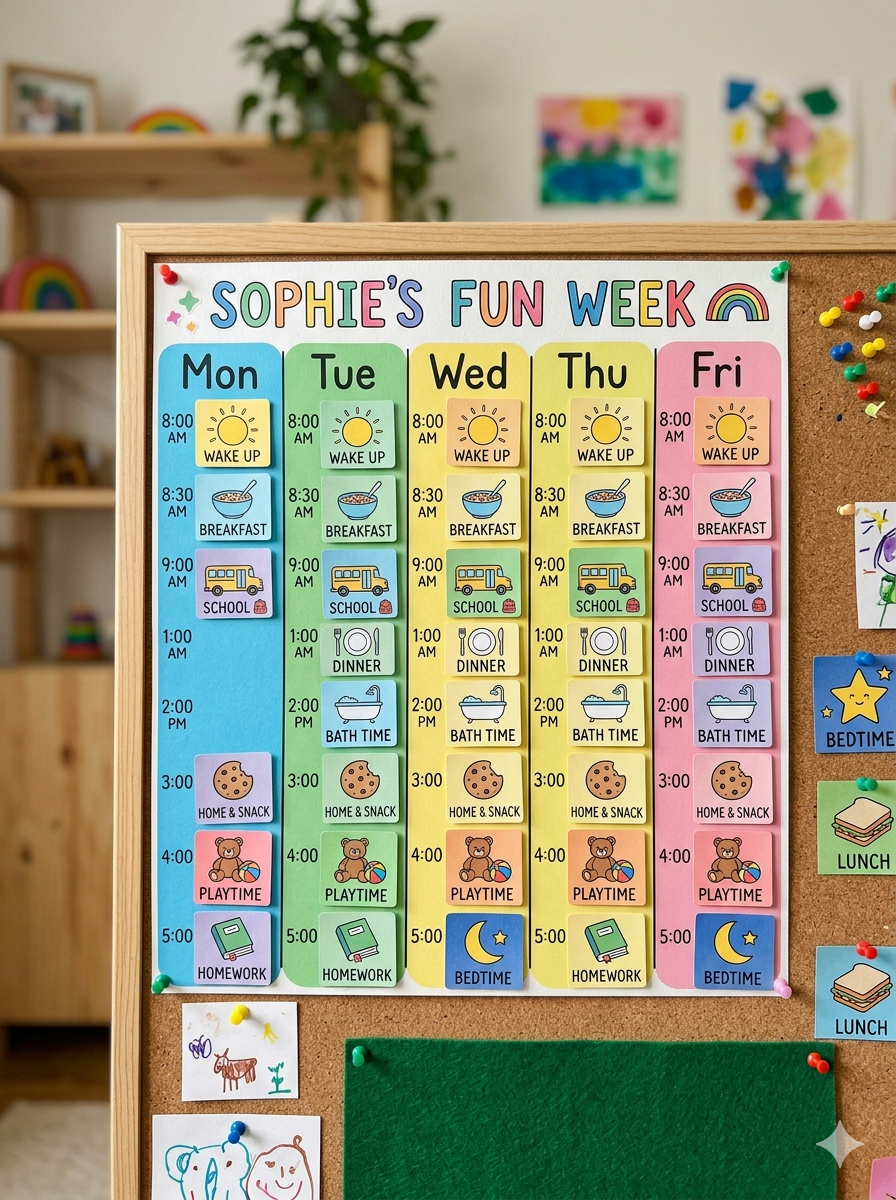
Note for Parents: Many severe home meltdowns are triggered by routine changes. If mornings are your biggest trigger, see our practical guide on supporting an audhd child school transitions routine to lower anxiety before leaving the house.”
Medical Disclaimer:
The information provided in this article, including text, graphics, tables, and external links, is for informational, educational, and support purposes only. It is not intended to be a substitute for professional medical advice, clinical diagnosis, behavioral therapy, or specialized psychiatric treatment.
Always seek the advice of your child’s pediatrician, developmental specialist, child psychologist, licensed occupational therapist, or other qualified healthcare providers with any questions you may have regarding a medical diagnosis, neurodevelopmental evaluation, or sensory intervention plan. Never disregard professional medical advice or delay seeking it because of something you have read on this blog.
Written By: Dr.Ravi bhatt, BHMS (Homeopathic Physician & Consultant)
Clinical Review: Fact-checked against the diagnostic frameworks of the American Psychiatric Association (APA) and peer-reviewed pediatric sensory integration data.Editorial Note: As a medical professional, my goal is to blend holistic clinical understanding with practical, neurodiversity-affirming strategies to help parents safely support their children’s unique nervous systems.