If you have ever watched your child completely fall apart while waiting in a supermarket line, please hear this: you are not alone, and it is not a behavioral failure. Managing an autism sensory overload grocery trip can trigger immense emotional distress for neurodivergent households. What you are witnessing is not a tantrum, but a direct neurological reaction to an overwhelming public environment.
What you are witnessing is a direct physiological reaction. An autism sensory overload grocery store crisis occurs because a modern supermarket is a perfectly designed environment for a sensory storm.
You do not need complex medical equipment or clinical therapy training to help your child navigate this weekly chore safely. By understanding the invisible neurological triggers hiding down every aisle, you can transform a chaotic shopping trip into a predictable, calm routine. Let us explore the real brain science behind this specific environment, alongside an easy-to-use parenting action plan.
The Hidden Sensory Storm Behind the Grocery Sliding Doors:
To protect your child’s nervous system, we must first look at a supermarket through their sensory processing system. While a neurotypical brain can automatically tune out background noise, an autistic brain often processes every single environmental input at maximum volume all at once.
+------------------------------------------------------------+

|             THE SUPERMARKET SENSORY STORM                  |
+------------------------------------------------------------+

|  VISUAL:      • Buzzing fluorescent lights; bright boxes   |
|  AUDITORY:    • Beeping scanners, rolling carts, PA music  |
|  TACTILE:     • Freezers blasting cold air; tight crowds   |
|  OLFACTORY:   • Strong bakery scents, fish counters        |
+------------------------------------------------------------+
                             │
                             ▼
  RESULT: The "Sensory Bucket" Overflows into a Meltdown!
Visual Overstimulation:
Supermarkets are filled with bright, high-contrast colors designed to grab shopper attention. Combine that with overhead fluorescent lights that hum and flicker at a frequency invisible to neurotypical eyes, but highly distracting to a sensitive nervous system, and a child’s eyes become exhausted within minutes.
Auditory Chaos:
Think of all the sounds bouncing off the hard tiled floors: shopping cart wheels squeaking, cash register scanners emitting sharp electronic beeps, overhead announcements blasting, and crowds of people talking. For a child with sensory processing differences, this audio profile can sound like a rock concert playing right inside their ears. Data from the National Institutes of Health (NIH) highlights that sound sensitivity and auditory over-responsivity directly correlate with acute emotional distress in autistic children during public community outings.
Tactile and Olfactory Overwhelm:
Moving from the warm bakery section to the freezing air of the dairy aisle is a massive temperature shift for a child’s skin. Additionally, the overwhelming mix of competing smells—like raw fish, fresh detergent, floral displays, and coffee beans—can easily push an already anxious child over the edge.
Critical Differences: Overload vs. Bad Behavior:
It is incredibly common for onlookers to stare and assume a child is simply throwing a tantrum for a toy. As a medical professional, I want to help you confidently decode the difference so you can respond with calm authority:
- Goal vs. Survival: A standard tantrum has a clear goal (e.g., “I want that candy bar”). A sensory overload meltdown has no goal; it is a defensive survival mechanism because the child’s brain feels genuinely unsafe.
- The Power of Choices: If you offer a child throwing a tantrum an alternative treat, they will usually stop crying. If a child is experiencing an autism sensory overload grocery store crisis, they cannot process your words or make a choice.
- The Safety Response: A tantrum stops once the child gets their way or realizes it won’t work. A meltdown requires a quiet, low-sensory environment and physical time for their nervous system’s cortisol levels to drop safely.
Your 4-Part Grocery Store Survival Blueprint
To make shopping manageable, break your trip down into a structured, four-step routine. This setup protects your child’s internal sensory bucket from filling up too quickly.
The Pre-Trip Preparation Phase
The secret to a successful shopping trip happens before you ever leave your house. Never take a sensitive child shopping when they are tired, hungry, or recovering from a long day at school
Use a Visual Checklist:
Create a tiny visual shopping strip using three to five pictures of items you need to buy (like milk, apples, and bread). Show it to your child so they can visually map out the exact length of the trip.
Pack a Mobile Sensory Kit:
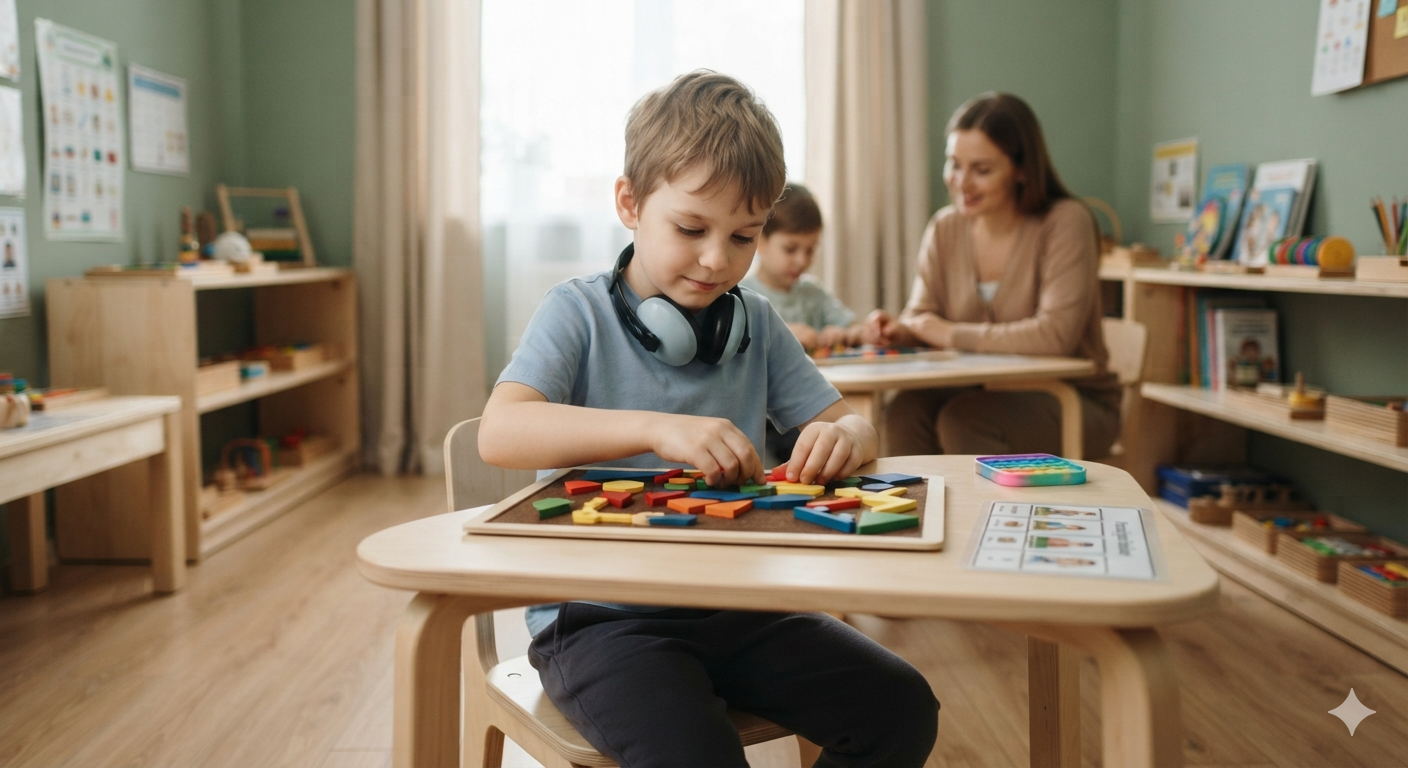
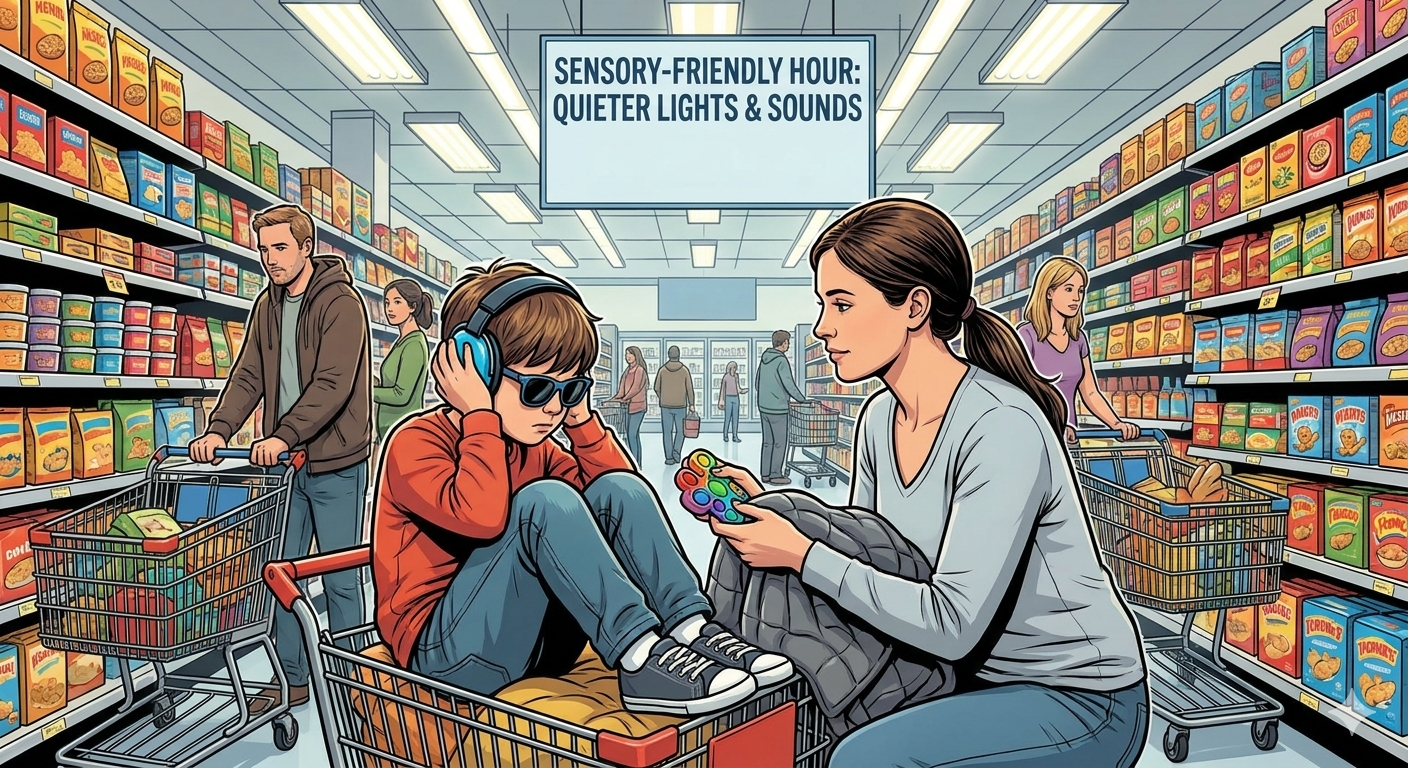
Fill a small backpack with noise-reducing earplugs, a favorite texturized fidget toy, and a pair of sunglasses to combat harsh overhead lighting.
The “Heavy Work” Cart Strategy
When an autistic child’s nervous system feels ungrounded, providing deep pressure input—known in pediatric care as heavy work—sends calming messages to the brain. According to sensory guidance from the National Autistic Society, integrating intentional physical feedback helps steady a child’s spatial awareness in chaotic environments.
[Ungrounded Child]  ──► Floating in Chaos ──► Sensory Defense / Anxiety
[Heavy Work Action] ──► Pushing / Holding ──► Calming Brain Signals Triggered
Action Step: Turn your child into a helper. Do not let them sit passively in the cart where they can easily fixate on overwhelming lights. Instead, let them hold a heavy gallon of milk in their lap, or have them physically push a miniature kid-sized shopping cart. The resistance against their muscles acts as an immediate physical anchor.
Smart Aisle Navigation Rules
The layout of a grocery store dictates its sensory intensity. Avoid wandering aimlessly down corridors
Stick to the Perimeters:
The outermost edges of the store (produce and bakery) tend to have wider pathways and less crowded bottlenecks than the middle aisles.
Gamify the Trip:
Give your child a specific job, like being the “Official Apple Finder.” This narrows their field of vision and helps their brain focus on a single visual target instead of the overwhelming wall of colorful cereal boxes.
The 3-Item Escape Rule
Always prioritize your child’s nervous system over a complete shopping list.
- How it works: Watch for the early yellow-light warning signs of overwhelm (such as hands over ears, humming, or vocal whining). If you see these signs, invoke the escape rule. Choose the three most critical items you absolutely need for dinner, walk straight to the self-checkout, and leave immediately. Safely protecting their sensory bucket is worth more than a full cart of groceries.
Step-by-Step Autism Sensory Overload Grocery Shopping Routine
| Shopping Phase | Target Stressor | Neuro-Affirming Parent Tool |
| Arrival | Transition Shock | Sit in the parked car for two minutes; put on noise-reducing headphones before entering the building. |
| Aisles 1–5Color & Light Bombardment | Color & Light Bombardment | Introduce the Visual Checklist; give the child sunglasses to dull the fluorescent glare. |
| Middle Area | Spatial Disorientation | Heavy Work: Have the child carry a small hand basket or hold a heavy item in their lap to ground their joints. |
| Checkout | Forced Idle Waiting | Pass them a quiet, satisfying sensory fidget toy or a small crunchy snack to chew on during the wait. |
Medical Professional Perspective for Parents
It can feel deeply embarrassing to handle a major public meltdown while stranger look on or offer unwanted advice. Please remember: you do not owe anyone an explanation. Your primary job is to be your child’s calm, steady anchor in a world that is currently feeling far too loud for them.
By utilizing visual tools, keeping their muscles engaged with heavy work, and using the 3-Item Escape Rule, you are actively helping them learn how to map out and handle complex public spaces. Be kind to yourself. Every step you take builds a safer, more predictable world for your family.
- Is your child’s public overstimulation turning into a lasting emotional collapse at home? See our emergency manual on handling AuDHD Meltdown vs Sensory Overload Differences to learn how to lower the household temperature safely.
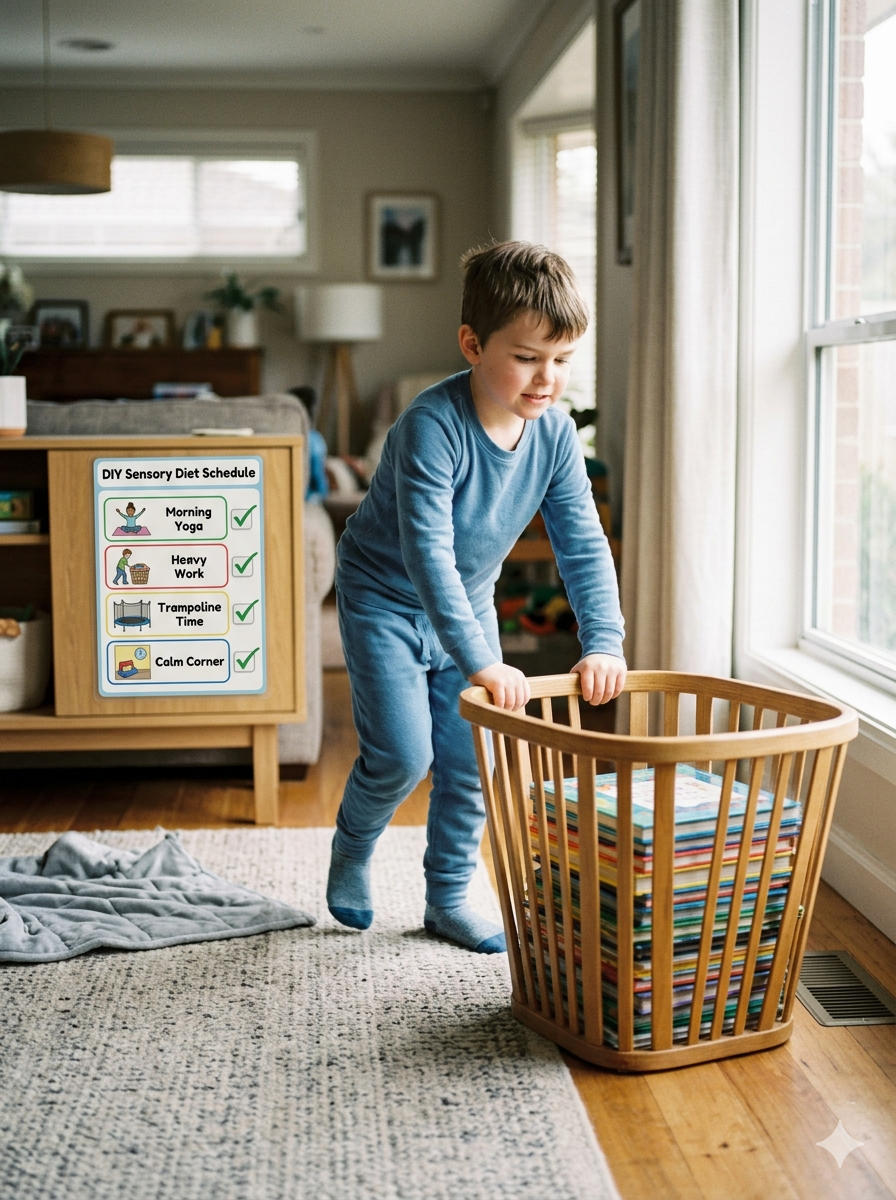
- To help build up your child’s sensory threshold before you go out into public places, check out our comprehensive guide on setting up a custom DIY Sensory Diet Schedule for ADHD at Home.
- If morning routines are causing as much stress as shopping trips, read our companion piece on how to manage an active audhd child school transitions routine without meltdowns.
Frequently Asked Questions
When managing autism public meltdowns, your primary goal is down-regulation and physical safety, not behavioral discipline. Move your child away from bottlenecks like checkout lanes immediately. Lower your vocal pitch, avoid asking complex questions, and block overwhelming environmental inputs using noise-reducing headphones or a comfort item. Remember, a public meltdown is a neurological flight-or-fight response to an unsafe environment, not a behavioral choice.
Yes, leveraging dedicated sensory quiet windows is highly effective for neurodivergent children. During these corporate-sponsored blocks, supermarkets actively turn off background overhead music, dim lighting rows, and silence loud PA announcements. Shopping during these hours fundamentally alters the environment, preventing acute nervous system friction before you even step foot down the first aisle
Absolutely. Modern supermarkets utilize bright fluorescent lighting fixtures that pulse and flicker rapidly. While invisible to a neurotypical eye, this frequency can cause intense visual fatigue and anxiety for an autistic child. Wearing dark sunglasses or blue-light blocking lenses inside the store effectively filters this harsh glare, preserving your child’s visual sensory bucket.
Early indicators that a child’s sensory bucket is filling up include vocal humming, pacing, shielding their eyes, or covering their ears. You might also notice them clinging tightly to your arm or becoming completely non-verbal. Spotting these early signals allows you to implement preventative tools, like a texturized hand fidget, before their nervous system crosses the line into a full public collapse.
⚖️ Medical Disclaimer
The information provided on this website, including text, graphics, images, and other materials, is for general educational and informational purposes only. It is not intended to be a substitute for professional medical advice, diagnosis, or clinical treatment. Always seek the advice of your physician, pediatrician, or another qualified healthcare provider with any questions you may have regarding a medical condition, neurodevelopmental evaluation, or sensory integration strategy. Never disregard professional medical advice or delay in seeking it because of something you have read on this blog. Make sure to double-check physical labels, product documentation, and clinical instructions to confirm accuracy before implementing new routines.
Written by: Dr. Ravi Bhatt, BHMS
Focus: Pediatric Neurodevelopmental Support & Family Sensory Integration
Fact-Checked Against: Peer-reviewed sensory integration data and clinical frameworks