Discovering an elevated creatinine level on your latest blood report can feel deeply alarming, leaving you worried about your kidney function and eGFR score. While medical oversight is foundational, incorporating the best superfoods to lower creatinine levels naturally can play a highly supportive role in reducing renal stress and improving waste filtration. However, adjusting your diet requires extreme care, as many mainstream healthy foods can accidentally overload compromised kidneys.
💡 The Fast Takeaway: Kidney-Safe Dietary Adjustments
If you are looking for a quick baseline, the best superfoods to lower creatinine levels naturally include functional choices like blueberries, cranberries, red bell peppers, garlic, and cauliflower.
To protect your system, you must actively limit or avoid heavy red meat intake and mainstream superfoods like spinach, avocados, and bananas, which contain high levels of potassium or phosphorus. Always cross-reference dietary modifications with a healthcare provider and a regular serum creatinine test.
Understanding Creatinine: Why Do the Levels Rise?
Creatinine is a natural chemical waste byproduct generated by routine muscle metabolism. Under normal physiological conditions, your kidneys filter this compound out of your bloodstream and excrete it completely through your urine.
When your kidneys experience acute stress, chronic damage, or systemic inflammation, their filtering units—known as nephrons—lose their operational efficiency. As a result, waste begins to accumulate in the bloodstream, triggering a rise in your serum creatinine markers. When planning a recovery diet, patients often search for the best superfoods to lower creatinine levels naturally to ease this filtration burden..
The Creatinine Filtration Process:
Step 1: Routine muscle metabolism naturally generates creatinine as a chemical waste byproduct.
Step 2: Under normal conditions, healthy kidneys filter this waste directly out of your bloodstream.
Step 3: The filtered creatinine is safely eliminated from the body through routine urination.
Step 4 (If Impaired): If your kidney function is compromised, this waste cannot be filtered effectively.
Step 5: This leads to an accumulation of waste in the blood, which shows up as elevated serum creatinine on your lab reports.
A temporary spike in creatinine can occasionally be triggered by temporary factors, including:
- Severe dehydration
- An unusually high intake of cooked red meat
- Intense, strenuous physical exercise
- Regular use of over-the-counter pain medications like Non-Steroidal Anti-Inflammatory Drugs (NSAIDs)
However, a sustained or progressive rise in your numbers typically serves as a key clinical indicator of a decline in your Glomerular Filtration Rate (eGFR). To allow your kidney tissue to recover and filter waste more effectively, your daily diet must be modified to lower your body’s overall metabolic workload.
⚠️ The Superfood Paradox: A Critical Medical Warning
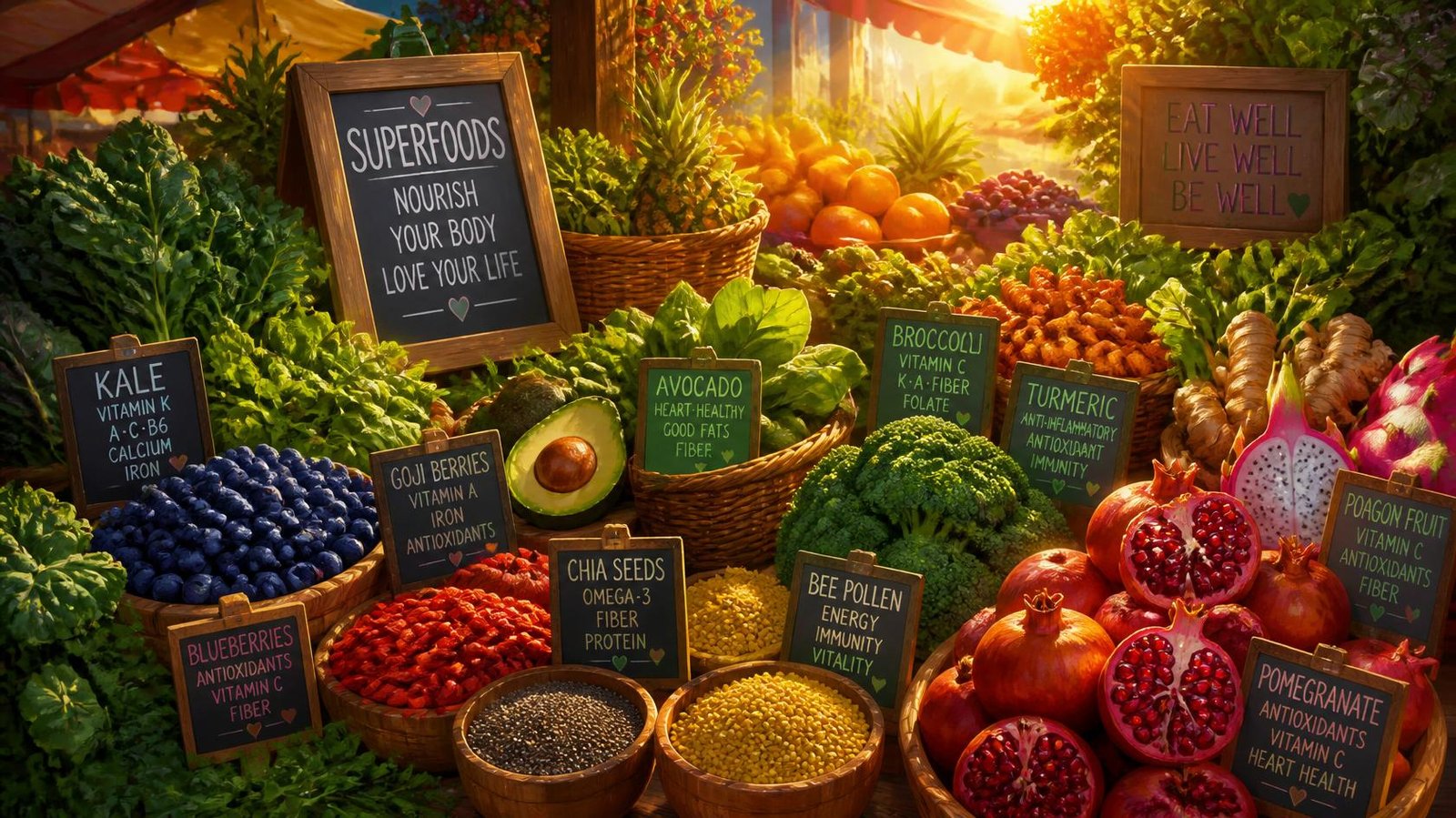
When most people decide to “eat healthier,” they naturally reach for nutrient-dense items like spinach smoothies, raw avocados, dark beet juices, and bananas. While these options are excellent for cardiovascular health, they can present serious clinical risks for individuals trying to find the best superfoods to lower creatinine levels naturally.
When kidney function drops, the organs struggle to balance two critical minerals: potassium and phosphorus.
The Risk of Hyperkalemia:
Mainstream superfoods like spinach, moringa, banana and avocados are packed with potassium. If your kidneys cannot eliminate excess potassium, it builds up in your blood, potentially causing severe muscle weakness, dangerous heart rhythm disturbances, or sudden cardiac events
The Risk of Hyperphosphatemia:
High phosphorus levels can cause calcium to leach out of your skeletal structure, leaving your bones brittle and damaging your blood vessels.
Therefore, a true “kidney superfood” is not just something high in vitamins; it must be a food that delivers deep anti-inflammatory and antioxidant protection while remaining strictly low in sodium, low in potassium, and low in phosphorus.
Selection Criteria: Best Superfoods to Lower Creatinine Levels Naturally
To help lower creatinine levels and improve overall filtration, focus on functional foods that actively reduce oxidative stress inside the nephrons without overloading your system with minerals.
1. Blueberries and Cranberries
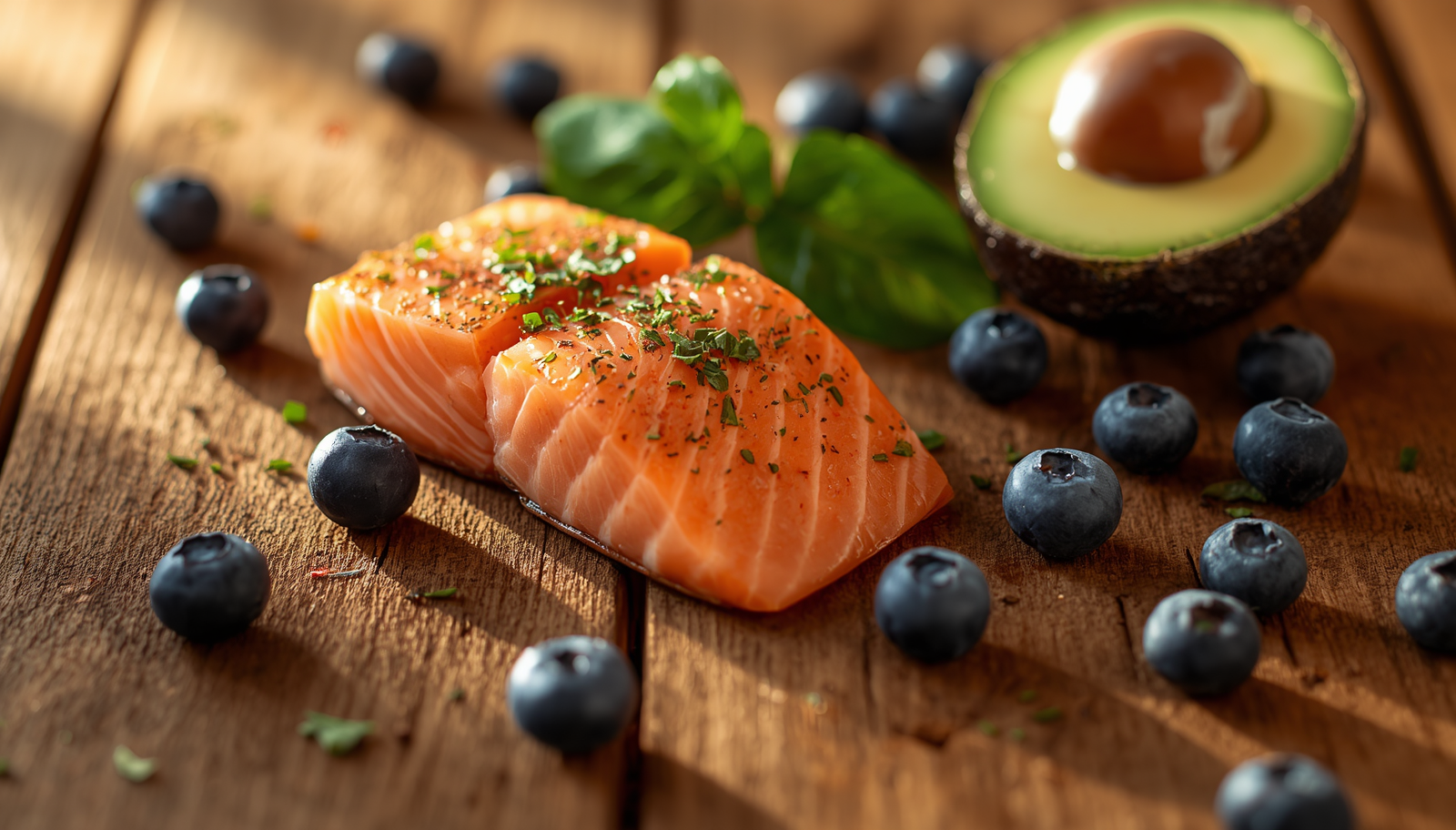
Berries are arguably the most effective fruits for supporting compromised kidneys. They are exceptionally rich in anthocyanins, a class of powerful antioxidants that help neutralize free radicals and reduce systemic inflammation in the renal blood vessels.
Furthermore, cranberries contain specialized bioactive compounds that prevent bacteria from adhering to the bladder wall, lowering your risk of Urinary Tract Infections (UTIs) that can cause acute kidney stress.
- The Mineral Advantage: One cup of fresh cranberries contains a mere 80 mg of potassium and 11 mg of phosphorus, making them entirely safe for standard renal diets.
2. Red Bell Peppers
While many vegetables carry a heavy potassium load, red bell peppers are a notable exception. They are highly nutritious and deliver a major dose of Vitamin C, Vitamin A, and Vitamin B6, alongside powerful carotenoids. These nutrients work synergistically to protect nephrons from cellular breakdown.
The Mineral Advantage: They add a bright flavor and crisp texture to your meals while keeping your sodium and mineral levels perfectly balanced.
3. Fresh Garlic
Garlic serves as an excellent functional medicine asset in a kidney-safe kitchen. When kidney health declines, keeping your sodium intake low is vital for controlling blood pressure. Garlic provides deep, robust flavor to dishes, allowing you to completely eliminate added table salt.
Additionally, clinical studies indicate that the active compound in garlic, allicin, exerts clear anti-hypertensive and anti-inflammatory effects that shield the kidneys from heavy oxidative strain.
4. Cauliflower and Cabbage
These cruciferous vegetables are highly versatile, kidney-friendly powerhouses. Cauliflower is rich in fiber, folate, and Vitamin C, and it contains indoles, glucosinolates, and isothiocyanates—compounds that assist the liver in neutralizing systemic toxins, thereby reducing the secondary filtration workload placed on your kidneys.
- The Kitchen Swap: Steamed cauliflower can be mashed and used as an excellent, low-potassium alternative to traditional potatoes.
- Cabbage Benefits: Cabbage is rich in Vitamin K and Vitamin C, acts as a stellar prebiotic for gut health, and remains incredibly low in both potassium and phosphorus.
5. Egg Whites
Managing your protein intake is essential when dealing with high creatinine, as processing protein creates nitrogenous waste that your kidneys must clear. However, your body still requires high-quality protein to prevent muscle wasting.
Egg whites provide the perfect clinical solution. They offer a complete amino acid profile with a exceptionally low mineral footprint.
- The Mineral Advantage: Unlike meat, dairy, or egg yolks, egg whites contain almost zero phosphorus, allowing you to meet your nutritional needs safely.
📊 Comprehensive Comparison Table: Kidney-Safe vs. High-Risk Foods
To optimize your daily meal planning, use this scannable reference table to distinguish between functional kidney superfoods and options that pose a clinical risk:
| Food Category | ✅ Excellent Superfoods (Low Potassium/Low Phos) | ⚠️ High-Risk Foods to Restrict (High Potassium/High Phos) |
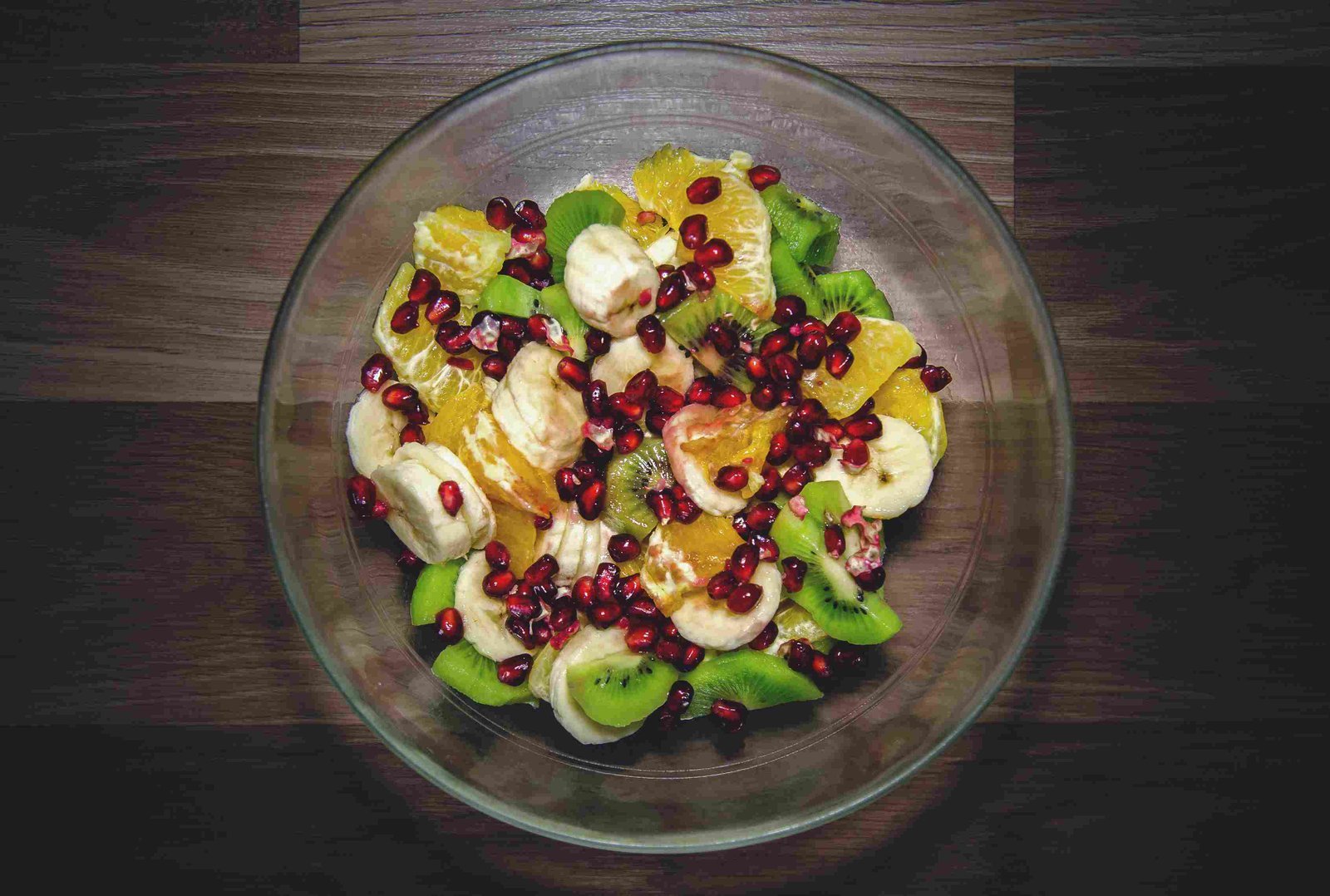
| Fruits | Blueberries, Cranberries, Apples, Red Grapes, Pineapple | Bananas, Avocados, Oranges, Kiwis, Dried Fruits |
| Vegetables | Cauliflower, Cabbage, Red Bell Peppers, Garlic, Onions | Spinach, Beetroot, Potatoes, Tomatoes, Sweet Potatoes |
| Proteins | Egg Whites, Fresh Skinless Chicken (in strict moderation) | Red Meat (Beef, Mutton), Organ Meats, Egg Yolks, Dairy Products |
| Fats & Grains | Olive Oil, White Rice, Refined Wheat Pasta (portioned) | Whole Wheat Bread, Bran Cereals, Peanut Butter, Nuts & Seeds |
Traditional Indian Diet Modifications for High Creatinine
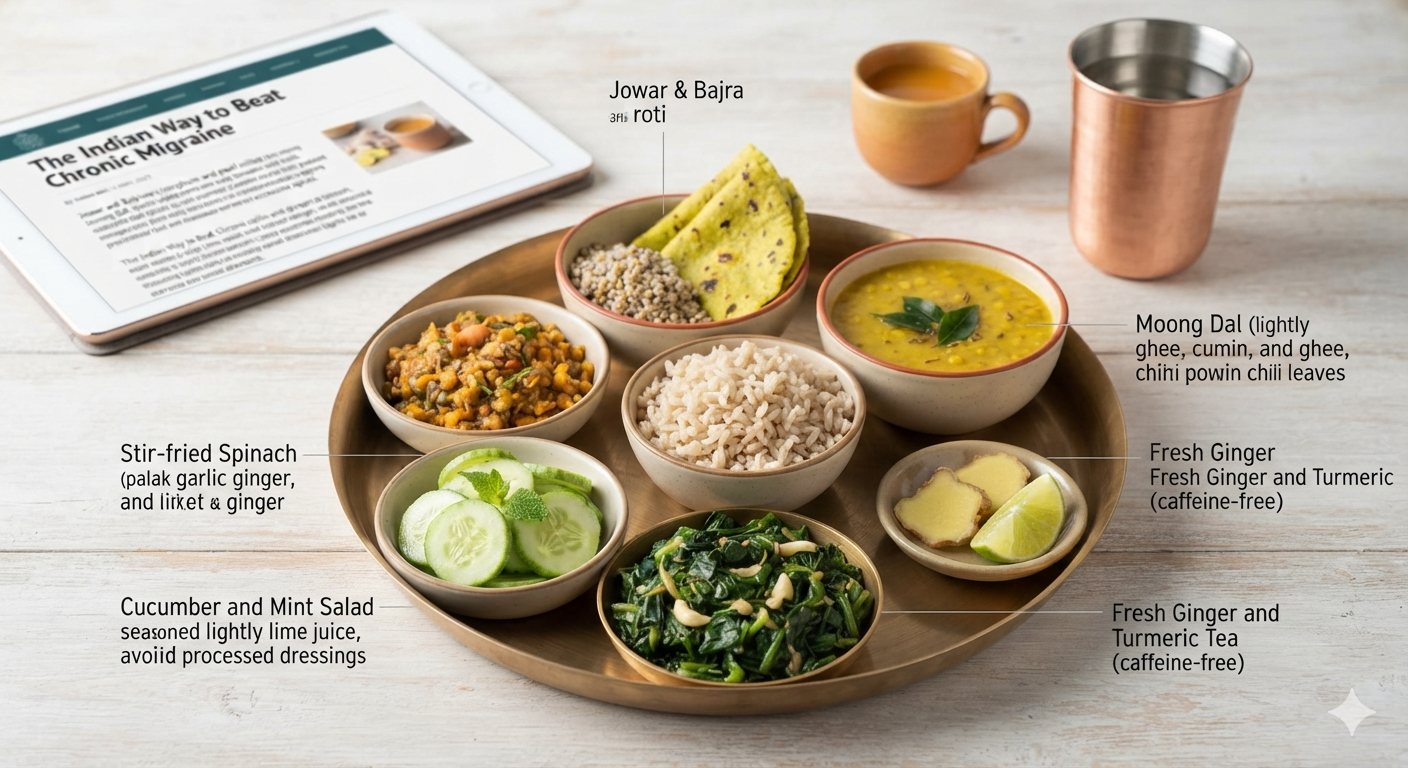
Adapting a traditional Indian diet to protect your kidneys requires modifying some common cooking staples. Many daily Indian ingredients—such as dals, spinach (palak), tomatoes, and certain spices—carry a heavy potassium or phosphorus load that strains compromised kidneys. Utilizing the best superfoods to lower creatinine levels naturally in an Indian context means choosing local, kidney-safe swaps to keep your levels stable without sacrificing the familiar flavors of home cooking:
1. The Staple Grain Swap: Rice over Wheat
While whole wheat atta rotis are generally considered healthy, wheat bran is exceptionally high in phosphorus and potassium.
- The Swap: Transition toward refined white rice, poha (flattened rice), or makhana (fox nuts) as your primary carbohydrate sources. They provide clean energy with a much lower mineral burden. If you must have rotis, use refined flour (maida) or specialized low-protein renal flour mixes.
2. The Vegetable Swap: Gourd Vegetables over Potatoes and Tomatoes
Traditional Indian curries rely heavily on a base of tomatoes, potatoes, and green leafy vegetables like palak (spinach). These are all major potassium triggers.
- The Swap: Build your meals around local gourd vegetables, including Lauki (bottle gourd), Torai (sponge gourd), Tinda (apple gourd), and Parwal (pointed gourd). These vegetables have an incredibly high water content, are naturally low in potassium, and are very easy on your digestive and filtration systems.
3. The Protein Swap: Moong Dal and Egg Whites over Heavy Dals
Legumes and dals are excellent sources of plant-based protein, but they are naturally packed with phosphorus.
- The Swap: Avoid heavy dals like Rajma (kidney beans), Chole (chickpeas), and Toor Dal. Instead, opt for washed yellow Moong Dal or Dhuli Urad Dal in strict moderation, ensuring you boil them thoroughly and discard the cooking water beforehand. For non-vegetarians, completely replace red meat and fish with egg whites, which provide pure protein without the dangerous phosphorus load.
4. The Spice and Flavor Swap: Kokum and Lemon over Amchur and Tamarind
Restricting salt is mandatory to control blood pressure and protect your nephrons, but low-sodium Indian food does not have to taste bland.
- The Swap: Avoid Amchur (mango powder) and commercial spice blends like Chaet Masala, which contain hidden black salt and high sodium. Instead, bring a tangy, bright flavor to your curries using Kokum, a few drops of fresh lemon juice, or fresh ginger-garlic paste.
5. The Dangerous Beverage Warning: Say No to Coconut Water and Kadhas
Many people mistakenly drink coconut water or herbal kadhas (decoctions) to detoxify their kidneys.
- The Danger: Coconut water is a potassium bomb that can trigger emergency cardiac issues in patients with high creatinine. Similarly, concentrated herbal kadhas contain unmeasured botanical compounds that can cause acute, irreversible toxicity to already stressed kidney tissues. Stick strictly to clean, filtered water.
⚙️ The Broader Strategy: Essential Lifestyle Modifications
Adjusting your food choices is a massive step forward, but diet alone cannot completely resolve a high creatinine reading. To give your filtration system the best environment to recover, you should implement these core lifestyle changes:
Tailor Your Daily Hydration:
Dehydration causes your blood volume to drop, which artificially concentrates waste products and spikes your creatinine readings. Ensure you drink enough clean water to keep your urine a light, pale yellow color. Note: If you have advanced kidney disease (Stage 4 or 5) and experience fluid retention or swelling, your doctor may require you to strictly limit your daily fluid intake.
Transition Toward Plant-Based Options:
Emerging research from the National Kidney Foundation highlights that plant-based protein sources produce fewer harmful uremic toxins and generate less metabolic acid than animal-derived proteins, significantly easing the workload on your nephrons.
Strictly Manage Your Blood Pressure and Blood Sugar:
Chronic hypertension and uncontrolled diabetes are the two leading root causes of progressive kidney damage worldwide. Keeping these baseline health markers within a stable, safe range is vital for long-term renal health.
Avoid NSAID Pain Relievers:
Regular use of over-the-counter pain medications like ibuprofen or naproxen directly constricts the blood vessels supplying your kidneys, accelerating tissue damage and raising your creatinine markers. Speak with your doctor about kidney-safe alternatives.
🔍 Summary: Best Superfoods to Lower Creatinine Levels Naturally
Elevated creatinine is an important indicator that requires clear, proactive attention. By prioritizing the best superfoods to lower creatinine levels naturally—such as berries, cruciferous vegetables, and clean egg whites—you can significantly reduce the structural and metabolic stress placed on your filtration system.
Because kidney disease is a complex, deeply individualized medical condition, generic guidelines should never replace personalized medical advice. Always work closely with a primary care physician or a qualified renal dietitian to tailor these nutritional suggestions to your exact blood reports, eGFR tracking, and prescription protocols.
Further Readings:
Read the comprehensive medical guidelines on the National Institute of Diabetes and Digestive and Kidney Diseases portal.
Review the published medical trial regarding meat consumption effects in the National Library of Medicine PubMed Database.
Examine official dietary recommendations via the National Kidney Foundation Superfoods Guide.
Check out clinical dietary trials detailing urea reduction in the Journal of Renal Nutrition via PubMed.
Study the detailed clinical review of high-protein filtration injuries hosted in the PubMed Central Research Repository.
Medical Disclaimer: The information provided in this article, including text, graphics, dietary suggestions, and regional modifications, is strictly for educational and informational purposes only. It is not intended to be a substitute for professional medical advice, diagnosis, treatment, or specific renal nutrition planning. Elevated creatinine and changing eGFR markers are serious indicators of kidney health that require direct supervision by a qualified nephrologist or primary care physician. Never disregard professional medical advice or delay seeking it because of something you have read on this website. Always consult your healthcare provider or a registered renal dietitian before making any drastic changes to your daily diet, hydration habits, or supplement protocols.
Written and Reviewed by : Dr.Ravi bhatt (BHMS)
For more evidence-based patient guides on clinical nutrition and holistic health, visit the Dr. Ravi Bhatt Home Page.