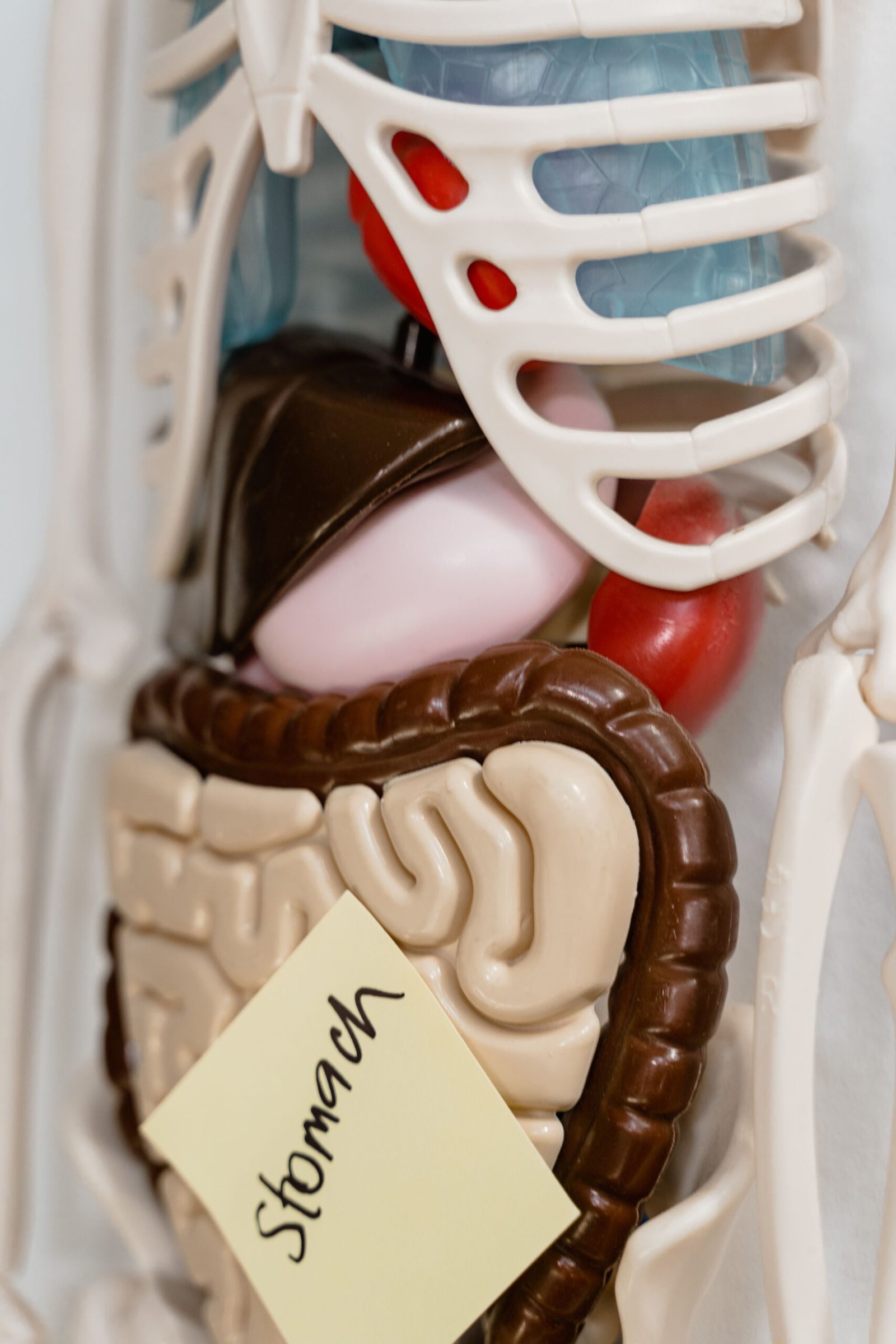
Your digestive system is the foundational engine of your body, and learning how to improve digestive health naturally is the most effective way to restore your long-term vitality. When your gut function runs smoothly, your energy stabilizes, your mood improves, and your body absorbs vital nutrients without pain or discomfort.
However, issues like frequent bloating, painful constipation, or piles (hemorrhoids) are incredibly common among modern patients. While common, these symptoms are not something you simply have to live with. They are clear indicators that your natural digestive equilibrium is off balance.
Fortunately, you can safely learn how to improve digestive health naturally through gentle lifestyle adjustments and individualised natural care, without depending on aggressive medications
What Are the Most Common Digestive Problems Patients Face?
When your digestive rhythm slows down or encounters irritation, it usually manifests in one of these common ways:
Constipation:
Infrequent bowel movements, hard stools, or straining.
Bloating and Gas:
A tight, swollen, or uncomfortably full feeling in your stomach.
Diarrhea:
Frequent, loose, or watery stools.
Irritable Bowel Syndrome (IBS):
Ongoing abdominal discomfort linked with changing bowel habits.
Piles (Hemorrhoids):
Swollen, sensitive veins in the lower rectum that can cause itching, aching, or occasional bleeding, as detailed in clinical profiles from the Cleveland Clinic Gastrointestinal Diseases Index.
What Are the Core Causes of Poor Digestive Health?
Instead of just masking your symptoms, a holistic approach looks at the root lifestyle triggers causing your gut distress:
Low Fiber Intake:
Eating highly processed items rather than whole foods deprives your gut bacteria of vital nourishment.
Not Drinking Enough Water:
Dehydration dries out the digestive tract, which directly hardens stool and stops smooth transit.
Chronic Stress:
Your brain and gut are connected by a vast nervous network; anxiety physically slows down or alters bowel movements.
Sitting for Long Periods:
Physical inactivity delays food movement through your intestines.
Hidden Food Sensitivities:
Regular consumption of dairy, gluten, or refined sugars can trigger persistent inflammation in sensitive individuals.
Weakened Digestive Vitality:
From a medical perspective, an imbalance in your native gut microbiome or natural gastric functions.
8 Practical Steps to Improve Digestive Health Naturally
You can start supporting your gut wellness today by using these safe, lifestyle habits:
Drink Water Early and Often:
Aim for at least 8 to 10 glasses of clean water daily to keep stools soft, which professional guidelines from the Intercoastal Medical Group show allows dietary fiber to bulk properly and pass through smoothly.
Eat Fiber-Rich Foods Daily:
Gradually introduce fresh fruits, leafy vegetables, lentils, and whole grains into your meals to help optimize your gut microbiome. For practical menu ideas, review the targeted wellness options listed in the Johns Hopkins Medicine Digestive Care Guide.
Space Out Your Meals:
Give your stomach at least 3 hours of rest between meals so your system can clear out food completely.
Move Your Body Daily:
Taking a gentle 20-minute walk after eating stimulates the intestinal muscles.
Incorporate Gut-Friendly Spices:
Add natural ginger, fennel seeds, or turmeric to your cooking to soothe an inflamed stomach lining.
Manage Daily Stress:
Dedicate 5 minutes to deep breathing exercises, as calming your mind directly relaxes your gut muscles.
Identify Your Personal Food Triggers:
Keep a simple food diary to track which specific meals cause you excess gas or discomfort.
Explore Professional Homeopathy:
For stubborn or recurring digestive issues, natural homeopathic treatment focuses on restoring your constitutional gut health instead of creating a chemical dependency.
Frequently Asked Questions About Gut Wellness
How long does it take to improve digestive health naturally?
Most patients begin to notice initial relief from mild bloating and constipation within 3 to 7 days of increasing their daily water and dietary fiber intake. For chronic or long-standing conditions like IBS or structural changes, systematic healing typically takes several weeks of consistent lifestyle changes and tailored professional care, according to standard parameters tracked by the National Institute of Diabetes and Digestive and Kidney Diseases (NIDDK).
Why are natural approaches better than over-the-counter laxatives?
Over-the-counter chemical laxatives provide fast, temporary relief, but using them frequently makes your bowel muscles “lazy.” This creates a harmful cycle of dependency. Natural adjustments and homeopathic alternatives strengthen your body’s innate muscular rhythm so your system can eventually function independently.
When should I see a healthcare professional for my stomach issues?
While gentle lifestyle changes fix most everyday issues, you should always consult a doctor if you experience critical warning signs. These include unexplained weight loss, continuous severe pain, persistent vomiting, or dark blood in your stool.
Featured Articles on Digestive Wellness
Proper nutrition plays a massive role in recovery; read our Ultimate Guide to Healthy Snacking to learn how to balance your daily nutrition.
Understanding Constipation: Causes and Natural Solutions
Constipation is preventable. Learn what causes it and which natural remedies actually work – without laxative dependency.
Coming soon
Gut Health 101: Digestion, Bacteria, and Wellness
Understand how your digestive system works and why gut health affects your entire body.
Homeopathy for Digestive Issues: What Science Says
Explore how homeopathic remedies address digestive weakness and restore natural digestive function.
Coming soon..
Foods for Better Digestion: A Practical Eating Guide
Learn which foods support healthy digestion and which ones to avoid based on your digestive type.
Coming soon..
Natural Remedies for Piles and Hemorrhoids
Piles are common and treatable. Discover natural solutions that relieve pain and prevent recurrence.
Coming soon
IBS and Digestive Sensitivity: Managing Symptoms Naturally
If you have IBS or digestive sensitivity, this guide helps you identify triggers and manage symptoms naturally.
Managing your gut mobility becomes even more critical when your body is under stress from medical treatments or procedures. For instance, if you are currently recovering from joint operations, knowing what to eat after acl surgery will help you pick foods that fight painful medication-induced constipation while accelerating tissue healing.
Medical Author: Dr. Ravi Bhatt, BHMS (Homeopathic Physician)
Clinical Experience: 12+ Years of Patient Care
Published: July 2026
Medical Disclaimer: The information on this blog is intended for educational purposes only and is not a substitute for professional medical advice, diagnosis, or treatment. Always seek the advice of your physician or qualified health provider.