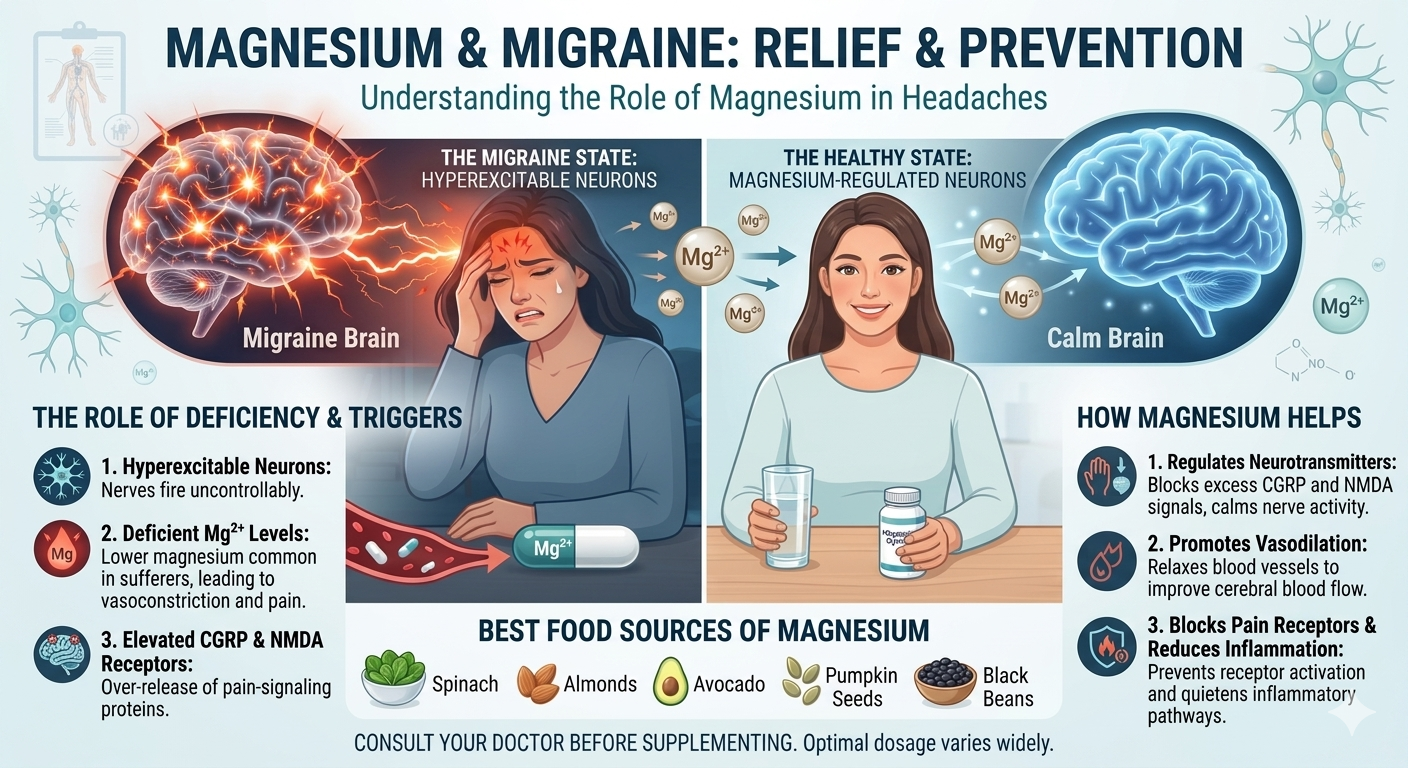
If you live with migraines, you know they are much more than just bad headaches. A migraine attack can steal your day, leaving you in a dark room wishing for relief. While medication is a vital tool, starting a structured food elimination diet for migraine relief is one of the safest lifestyle strategies you can use to identify your personal dietary triggers.
This comprehensive, step-by-step patient guide will help you understand how the process works, what foods to avoid, and how to safely navigate each phase.
What is a Food Elimination Diet for Migraine Relief?
A food elimination diet for migraine is a short-term scientific experiment you run on your own body. It is not a permanent restrictive diet, nor is it a weight-loss plan. Instead, it is an investigative tool used to pinpoint specific foods that might be causing or worsening your migraine attacks.
The process is simple in theory:
- You temporarily stop eating common trigger foods for a few weeks.
- You wait for your body and nervous system to settle down.
- You systematically reintroduce those foods one by one to see if your symptoms return.
The Brain-Gut Connection
You might wonder how food in your stomach can cause pain in your head. Scientists study a fascinating highway in our bodies called the gut-brain axis. Your digestive system and your brain talk to each other constantly. When your gut experiences irritation or inflammation from a sensitive food, it can trigger nerve pathways that travel straight to your brain, lowering your threshold for a migraine attack.
Understanding the “Migraine Bucket” Theory
To succeed with an elimination diet, it helps to understand why food triggers can be so unpredictable. Why does a slice of aged cheese trigger an attack on Tuesday, but cause no problems on Friday?
Think of your body as holding a migraine bucket. Many different things pour water into this bucket:
- Lack of sleep
- High stress or anxiety
- Hormonal changes
- Weather changes and bright lights
- Dietary triggers (certain foods and drinks)
If your bucket is only half full, you feel fine. But if you are highly stressed (half full) and skip breakfast (filling up more), eating a piece of chocolate might overflow your bucket. That overflow is your migraine attack. By using a food elimination diet, we aim to identify and remove your food triggers, effectively emptying a significant portion of your bucket so it never overflows.
Common Migraine Food Triggers to Eliminate
Aged Cheeses and Cultured Dairy
As certain foods age, they build up a natural chemical called tyramine. Tyramine can cause blood vessels to change shape and trigger nerve pathways linked to head pain.
- Avoid: Cheddar, Swiss, Parmesan, Blue Cheese, Gouda, feta, sour cream, and yogurt.
- Enjoy instead: Fresh cottage cheese, ricotta, cream cheese, or dairy-free milk alternatives like oat milk.
Processed, Cured, and Smoked Meats
Preserved meats often contain chemical additives called nitrates and nitrites. These compounds preserve color and freshness, but they are notorious for dilating blood vessels, which can trigger quick-onset headaches.
- Avoid: Bacon, hot dogs, sausages, ham, salami, pepperoni, and deli cold cuts.
- Enjoy instead: Freshly cooked chicken, turkey, beef, pork, or fresh-caught fish.
Fermented Foods and Soy Products
Fermentation creates high levels of histamines, which can provoke inflammatory responses in sensitive individuals.
- Avoid: Soy sauce, miso, tofu, tempeh, tamari, sauerkraut, kimchi, and pickles.
- Enjoy instead: Fresh vegetables, olive oil, and simple herbs for flavor.
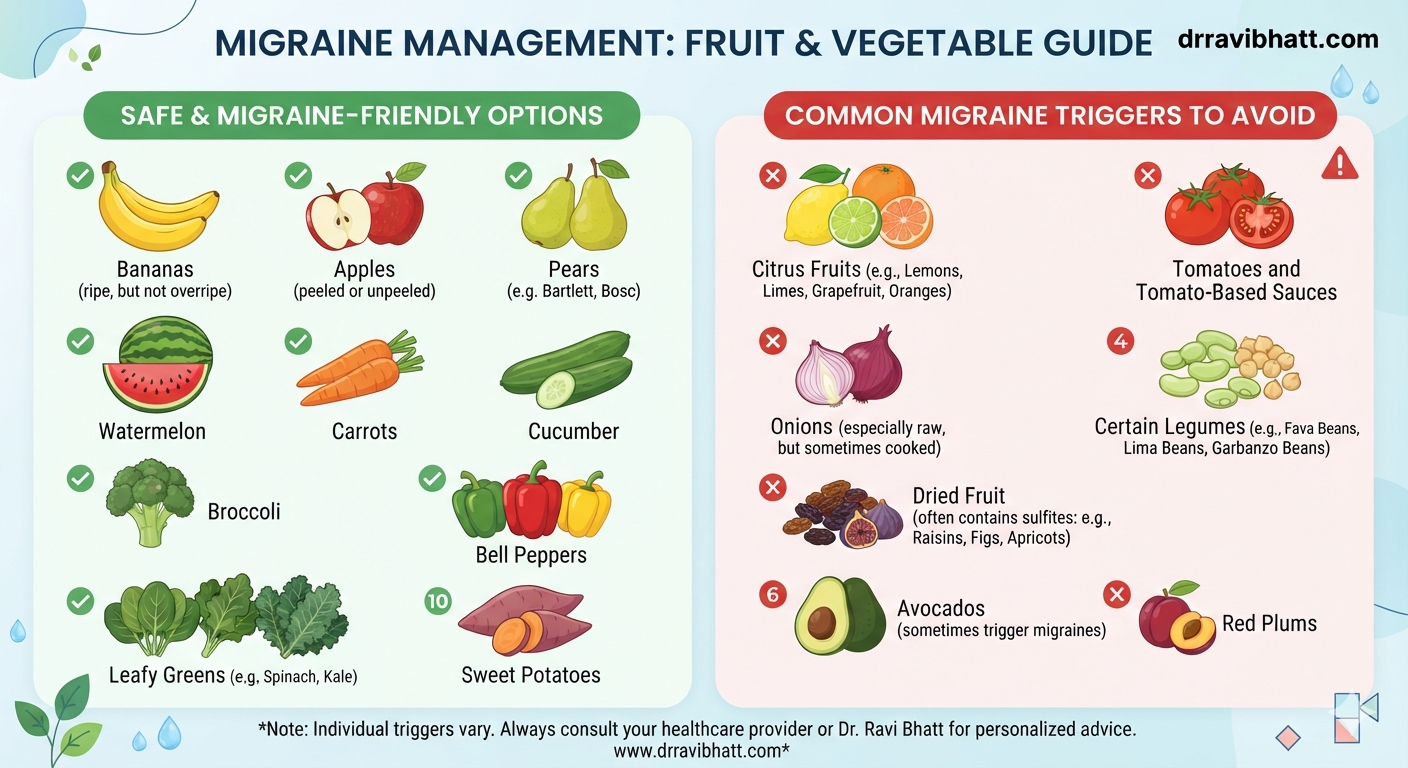
Specific Fruits and Nuts
While healthy, certain fruits contain chemical compounds that sensitive brains can read as irritants.
- Avoid: Citrus fruits (oranges, lemons, limes, grapefruits), bananas (especially very ripe ones), avocados, walnuts, peanuts, and cashews.
- Enjoy instead: Apples, pears, blueberries, blackberries, and pumpkin seeds.
Additives: MSG and Artificial Sweeteners
Artificial chemical enhancers are highly stimulating to nerve cells. Monosodium Glutamate (MSG) is a flavor enhancer that can overexcite brain pathways.
- Avoid: Fast food, packaged potato chips, commercial salad dressings, foods containing “hydrolyzed protein,” and diet sodas containing aspartame or sucralose.
- Enjoy instead: Home-cooked meals seasoned with sea salt, garlic, onion, and fresh herbs.
Caffeine and Alcohol
Both of these substances radically alter blood flow to the brain. Alcohol, particularly red wine, contains a mix of tyramine, histamines, and sulfites. Caffeine is a double-edged sword: a little can stop a migraine, but daily use or sudden withdrawal will trigger one.
- Avoid: Red wine, beer, dark liquors, heavy coffee, and energy drinks.
- Enjoy instead: Herbal teas (like chamomile or peppermint) and plenty of pure water.
| Food Category | ❌ Foods to Eliminate | Safe Alternatives |
| Dairy | Aged cheese, yogurt, sour cream | Cottage cheese, milk, oat milk |
| Proteins | Bacon, sausage, deli meat, soy, tofu | Fresh chicken, beef, turkey, fish |
| Grains | Fresh yeast bread, sourdough | Rice, oats, quinoa, crackers |
| Fruits | Oranges, lemons, ripe bananas | Apples, pears, berries |
| Vegetables | Onions, sauerkraut, pickles | Broccoli, carrots, zucchini, potatoes |
| Snacks | Chocolate, potato chips, walnuts | Pumpkin seeds, plain rice cakes |
Phase 1: The Preparation Phase (Week 1)
Do not rush into an elimination diet overnight. Sudden, drastic dietary stress can actually cause a migraine attack. Use your first week to prepare logistically and mentally.
Clean Out Your Pantry: Move trigger foods out of your immediate sight so you aren’t tempted during a busy or stressful evening.
Go Grocery Shopping: Stock up on safe essentials like fresh meats, fresh vegetables (like broccoli, carrots, and sweet potatoes), rice, and oats.
Establish Your Baseline: Download a tracking app or buy a dedicated paper notebook. Write down exactly how many migraines you are currently having per week and how intense they feel on a scale of 1 to 10.
Phase 2: The Elimination Phase (Weeks 2 to 4)
This is where the true detective work begins. For a period of 2 to 3 weeks, you will completely remove the suspicious food categories from your diet.
During the active tracking period, keeping your meals incredibly basic is the key to success. A strict food elimination diet for migraine relief requires completely removing potential chemical irritants for a minimum of two weeks to clear your biological baseline.
Rules for Success during Elimination:
Be Strict But Patient: If you eat a little bit of hidden MSG or a slice of pepperoni by accident, do not panic. Just reset and continue. It takes time for chemical levels in your body to steady.
Focus on Whole Foods: The easiest way to avoid hidden triggers is to eat foods with only one ingredient. An apple is just an apple. A chicken breast is just chicken.
Read Labels Carefully: Look out for hidden trigger names. MSG often hides behind names like yeast extract, textured vegetable protein, or autolyzed yeast.
Stay Hydrated: Dehydration is an independent migraine trigger. Drink at least 8 to 10 glasses of water daily.
If your food choices were actively contributing to your migraines, you should notice a reduction in the frequency or intensity of your attacks by the end of the third week. If you see no change at all after 4 weeks of strict elimination, food may not be a primary trigger for you, and you can discuss other lifestyle strategies with me.
Phase 3: The Reintroduction Phase (The Test)
This is the most critical part of the entire process. Many patients make the mistake of feeling better after three weeks and immediately eating a large meal of pizza, soda, and chocolate. If they get a migraine, they have no idea which of those foods caused it.
You must reintroduce foods one at a time, slowly and systematically.
How to Test a Food Safely:
Pick One Food: Let’s say you want to test aged cheddar cheese.
Day 1 (Testing Day): Eat a small portion of cheddar cheese with breakfast. If you feel fine, eat a slightly larger portion with lunch. Eat a normal portion with dinner.
Days 2 and 3 (Observation Days): Stop eating the cheese completely. Do not introduce any other new foods. Return to your safe elimination diet foods. Watch your body closely for 48 to 72 hours.
Look for Delayed Reactions: Migraine triggers do not always cause pain within minutes. It can take up to 24 or 48 hours for a inflammatory or chemical response to cause a headache.
Analyzing the Results:
- Scenario A (Reaction): If you develop a migraine attack during the 3-day test window, you have found a trigger! Write it down in your diary. Wait until you are completely symptom-free for a few days before testing a different food.
- Scenario B (No Reaction): If you feel completely fine after 3 days, that food is likely safe for you. You can welcome it back into your normal diet and move on to testing the next food item on your list.
How to Keep a Migraine Food Diary:
Your food diary is your most valuable piece of evidence. Whenever you sit down to write in it, make sure to capture these four data points:
- Everything You Eat and Drink: Include condiments, cooking oils, and beverages.
- Your Symptoms: Note any mild head pain, brain fog, nausea, or sensitivity to light and sound.
- The Exact Timing: Write down when you ate and the exact hour a symptom started.
- Other “Bucket” Factors: Note how many hours you slept, your current stress level, and any notable weather shifts. This helps you see if a food only triggers you when combined with poor sleep.
Your daily tracking logs provide the essential data your doctor needs to evaluate your symptoms. A well-maintained diary transforms a simple food elimination diet for migraine tracking into a highly accurate, personalized diagnostic tool.
Nutritional Safety During a Food Elimination Diet for Migraine Control
Your health and safety are my top priorities. An elimination diet is a diagnostic tool, not a lifestyle change. It is vital to approach it safely:
- Avoid Malnutrition: Never severely limit your calories. Ensure you are eating enough safe carbohydrates (like rice and potatoes) and clean proteins to keep your energy up.
- Protect Your Relationship with Food: If you feel that tracking food is making you overly anxious or fearful of eating, pause the diet immediately. Food should heal you, not cause psychological distress.
- Underlying Medical Conditions: If you have diabetes, kidney disease, are pregnant, or have a history of disordered eating, do not start an elimination diet without direct, personalized medical supervision.
Keep in mind that long-term restriction is never the end goal. A temporary food elimination diet for migraine control is designed solely to gather data before safely transitioning you back to a diverse, nutrient-rich lifestyle.
Red Flag Symptoms: When to See a Doctor Immediately
While identifying food triggers is excellent for managing chronic migraines, some headaches require immediate emergency medical care. Seek emergency medical attention if you experience:
- A sudden, explosive headache that reaches maximum, severe intensity within seconds (often called a “thunderclap” headache).
- A headache accompanied by a high fever, stiff neck, confusion, or seizures.
- New head pain accompanied by weakness, numbness, vision loss, or difficulty speaking.
- A headache that starts after a recent head injury or blow to the head.
Let’s Work Together on Your Relief
Finding your migraine triggers takes patience, consistency, and a bit of detective work, but the reward of reclaiming your symptom-free days is entirely worth it. Remember, you do not have to navigate this path alone.
Instead, it is an investigative tool used to pinpoint specific foods that might be causing or worsening your attacks. This works perfectly alongside the core medical strategies and supplements outlined in our comprehensive Migraine Management Pillar Page
Medical References and Authoritative Resources
To learn more about the science of headache management, you can explore these trusted international clinical organizations:
- Learn about current headache research: International Headache Society
- Discover patient education toolkits: American Migraine Foundation
- Find support groups and dietary advice: National Headache Foundation
- Efficacy of diet restriction on migraine : Pubmed
Disclaimer: The information provided in this article by Dr. Ravi Bhatt is for educational and informational purposes only. It is not intended as a substitute for professional medical advice, diagnosis, or treatment. Always seek the advice of your physician or other qualified health provider with any questions you may have regarding a medical condition.
Written by :Dr. Ravi Bhatt BHMS