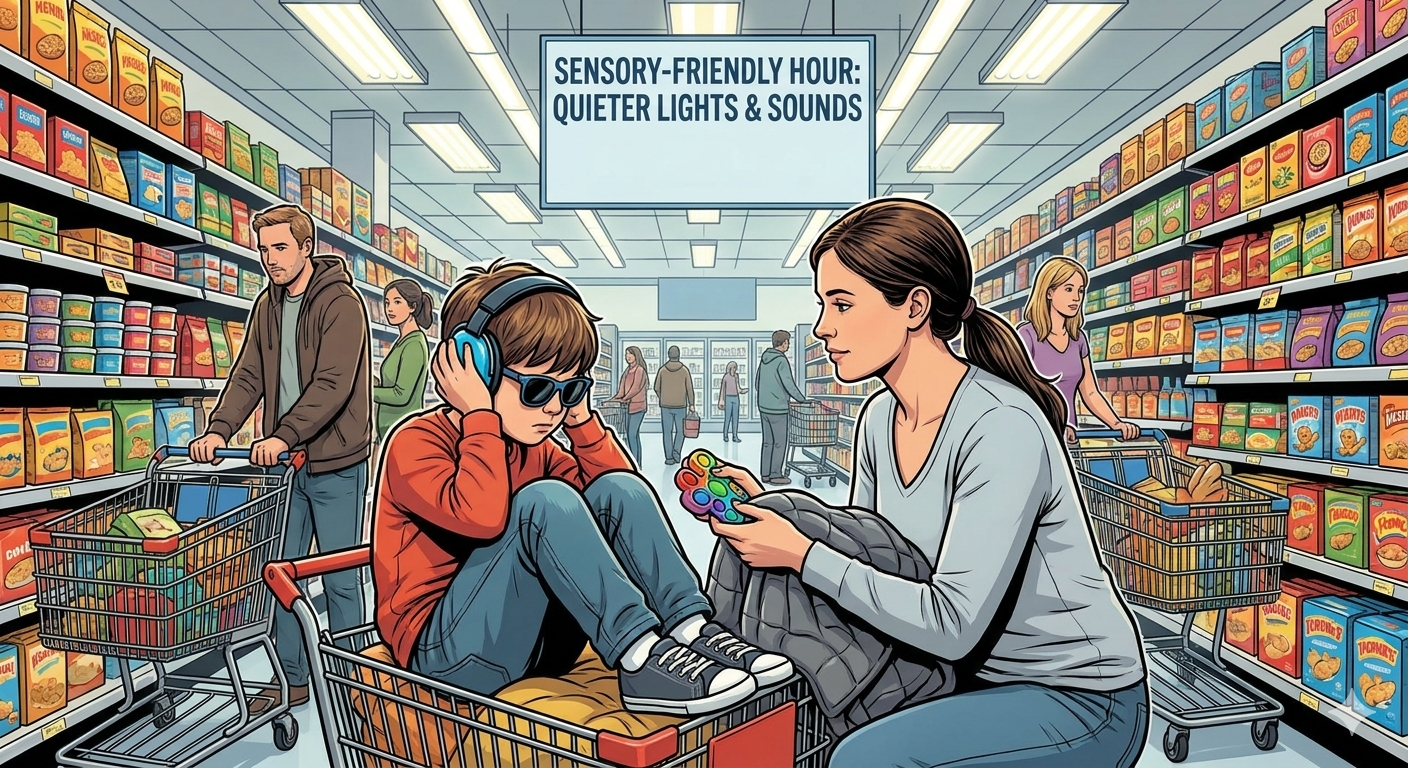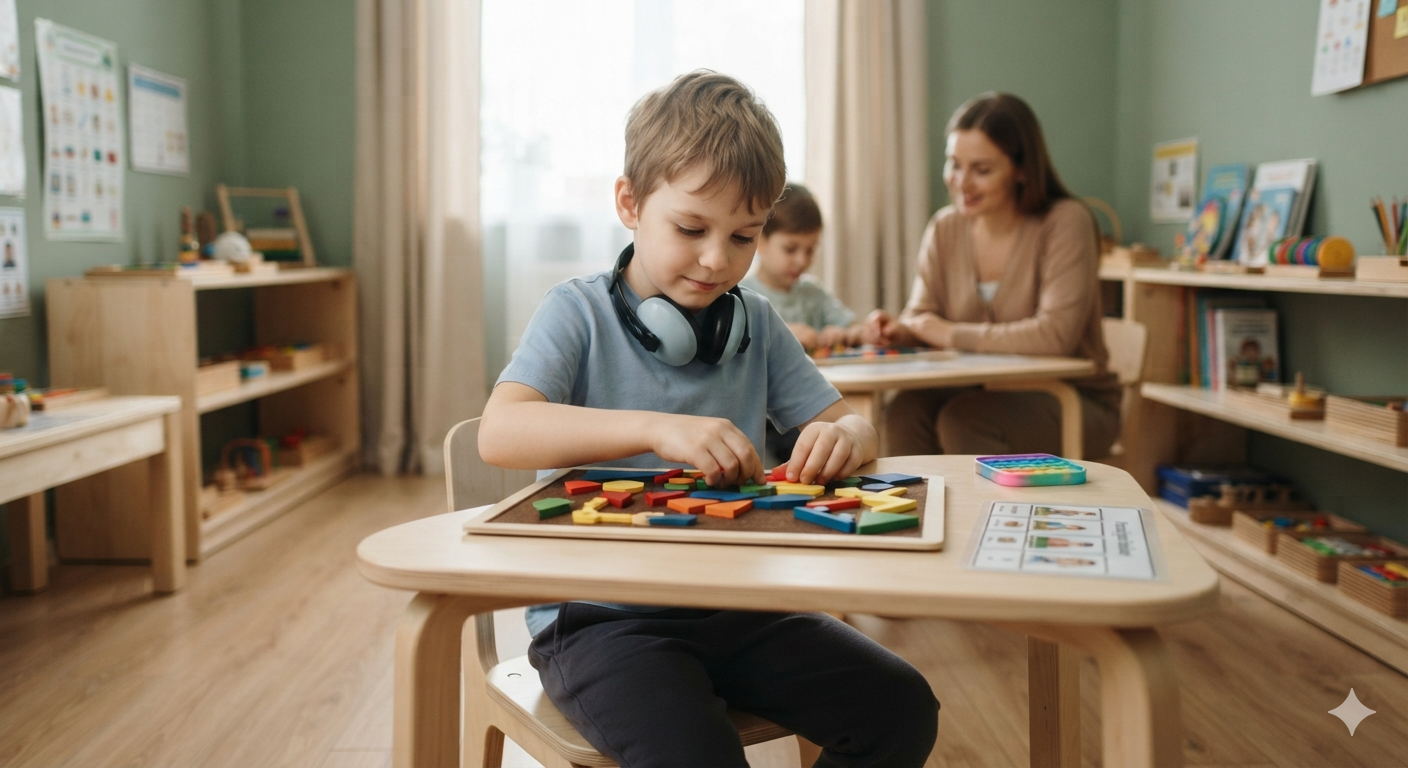
Finding the right headphones for audhd child needs at school can completely change their day. A standard classroom can feel like a sensory battlefield with buzzing lights, scraping chairs, and loud chatter that causes deep anxiety.
Research shows that neurodivergent children process sensory information differently, which directly impacts their anxiety levels at school.
As parents, we often see our children struggle with “after-school restraint collapse,” where they hold their stress in all day at school and then break down completely the moment they get home.
One of the simplest, most effective tools to prevent this daily exhaustion is a high-quality pair of noise-reducing headphones or ear defenders
This practical guide explain exactly how to choose the best noise-canceling headphones for an AuDHD child at school. It breaks down the choices by your child’s age, specific sensory needs, and school rules, helping you find the right fit to bring calm to their school day.
The Big Difference: Passive Earmuffs vs. Active Noise-Canceling (ANC) Headphones:
When shopping online, you will see two very different products listed side-by-side. Understanding the difference is vital, as picking the wrong type can frustrate an AuDHD child.
                     |    SENSORY SOUND REDUCTION TOOLS      |
                     +---------------------------------------+
                                         |
                +------------------------+------------------------+

                |                                                 |
                v                                                 v
  +----------------------------+                    +----------------------------+

  |    PASSIVE EAR MUFFS       |                    |     ACTIVE NOISE (ANC)     |
  +----------------------------+                    +----------------------------+

  | * Thick soundproof foam    |                    | * Battery-powered microchips|
  | * No batteries needed      |                    | * Plays calming audio/music|
  | * Completely blocks speech |                    | * Dims low background hums |
  | * Best for intense quiet   |                    | * Best for focus & coping  |
  +----------------------------+                    +----------------------------+
Passive Noise-Reducing Ear Muffs (Ear Defenders)
These look like heavy-duty headphones but do not play music. They feature thick, sound-absorbing foam walls that physically block out surrounding sounds.
The Pros: They do not require charging or batteries, are highly durable, and are generally very affordable.
The Cons: They block out almost all sound uniformly, including the teacher’s voice. If your child needs to hear instructions while dampening background noise, passive earmuffs might leave them feeling too isolated.
Active Noise-Canceling (ANC) Headphones
These are electronic, battery-powered headphones. They use built-in, microscopic microphones to analyze outside noises (like a loud classroom AC unit or background whispering) and generate an opposite sound wave to digitally cancel those frequencies out.
The Pros: They are excellent at eliminating low-frequency background hums while still allowing your child to hear the teacher speaking nearby. They can also connect to a tablet or computer for educational audio.
The Cons: They require recharging. Some neurodivergent children also report a slight “pressure” sensation in their ears when the digital canceling feature is turned on, which can feel unusual at first.
One of the simplest, most effective tools to prevent this daily exhaustion is a high-quality pair of noise-reducing headphones. Organizations like the [National Autistic Society recommend sensory tools] to help manage overwhelming environments
Best Noise-Canceling Options for an AuDHD Child at School
ZOHAN 030 Kids Noise Cancelling Headphones for Autism Ear Protection ((Best Overall Passive Option)
If your child is in primary school, prone to dropping things, or easily distracted by buttons and charging cords, ZOHAN Kids Ear Protection is an excellent, hassle-free choice.
Type: Passive Ear Muffs
Noise Reduction Rating (NRR): 25dB to 28dB (High Protection)
Why it fits AuDHD kids at school: These ear muffs feature an adjustable, metal-free headband lined with soft, skin-friendly PU leather that prevents clamping pain on sensitive heads. The foldable design makes them easy to tuck into a school backpack between classes. They provide dependable, quiet relief during assemblies or noisy lunchrooms without requiring batteries
Altec Lansing MZX4500 Kid Safe Noise Cancelling Wireless Headphones
If your child needs to block out classroom chatter while listening to school tablet lessons or calming white noise, the Altec Lansing Kid Safe ANC Headphones offer great balance.
- Type: Active Noise-Canceling (ANC) with optional Bluetooth/Wired connectivity
- Safety Feature: Built-in 85dB volume limiter to protect developing ears
- Why it fits AuDHD kids at school: These headphones feature dedicated active noise cancellation to block out surrounding classroom chaos while keeping the volume at a safe level. They provide up to 15 hours of battery life on a single charge and include an auxiliary cable, so your child can still use them as regular headphones even if the battery runs out during the school day. The wipe-clean, splash-resistant design makes them highly durable for school use.
JBL Junior 470NC / Tune 770NC (Best Premium Active Option)
For older children, teenagers, or students who require powerful digital noise cancellation and long battery life, the JBL Over-Ear Noise-Cancelling Kids Headphones are highly reliable.
Type: Premium Active Noise-Canceling (ANC)
Battery Life: Long-lasting performance (up to 44+ hours)
Why it fits AuDHD kids at school: JBL’s active noise cancellation is highly effective at neutralizing background low-frequency hums. They include parental controls via an app to manage custom volume limits, ensuring your child can safely manage their own sound environment. The soft ear cushions provide a comfortable over-ear fit without causing sensory discomfort during long school periods
4 Critical Factors for AuDHD School Headphones
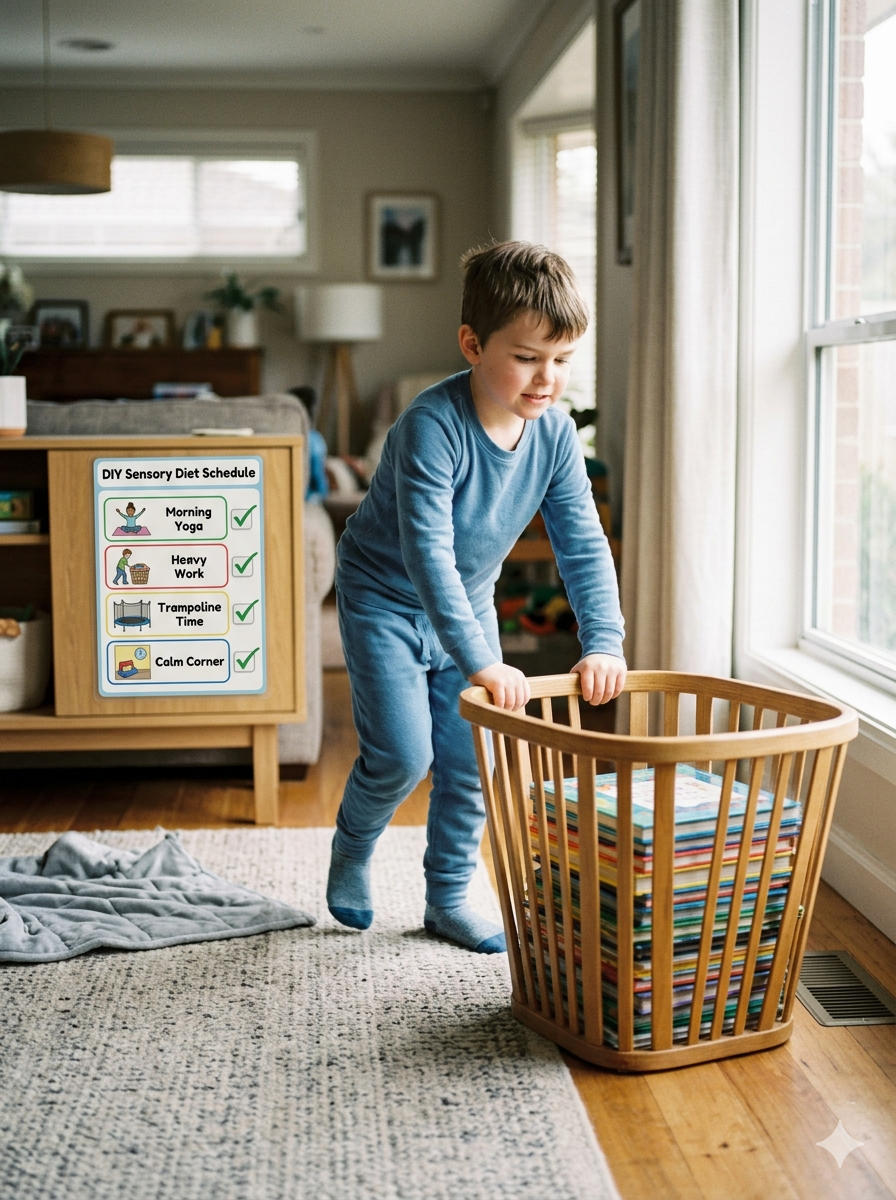
While headphones are a great tool for the classroom, managing sensory needs starts before your child leaves the house. You can combine these headphones with a structured DIY sensory diet schedule for ADHD at home to keep their nervous system calm and regulated all day long.
When choosing a model, standard product reviews often miss the specific sensory needs of an AuDHD child. Keep these four unique criteria in mind:
The “Clamping Force” (Physical Comfort)
Many children with autism have a hyper-sensitive tactile system. If a pair of headphones squeezes their skull too tightly, they may refuse to wear them within two minutes. Look for words like “plush cushions,” “padded headbands,” and “low clamping pressure.” Before sending them to school, stretch new headphones over a stack of books overnight to relax the plastic band tension.
Battery & Failure Protection
ADHD executive dysfunction means your child will forget to charge their electronic headphones. If you choose an electronic ANC model, ensure it features an “Auxiliary (Aux) Cable Override.” This ensures that when the battery dies, your child can plug the physical cord into their school device and continue using them as regular headphones.
Ease of Cleaning
Neurodivergent children may struggle with sweat buildup or sensory texture aversion to damp materials. School desks and lunch trays can also be messy. Look for headbands made of smooth PU leather or soft plastics that can be cleaned with a simple disinfectant wipe, avoiding easily stained open fabrics.
Discreet Styling for Social Comfort
As children reach middle school or secondary school, they often become highly aware of peer judgment. Large, neon-colored ear defenders can make them feel self-conscious. Selecting neutral colors like matte black, navy, or slate grey allows the headphones to look like standard audio gear, helping your child blend in comfortably with their classmates.
How to Get School Teachers and Staff on Board
Even the best pair of headphones will not help your child if the class teacher constantly tells them to take them off. Many teachers mistake headphones for a sign of disrespect or a lack of attention.
Headphones are a required sensory accommodation tool,you can learn more about managing classroom accommodations for neurodivergent students to help coordinate with school staff.
                  |  PARENT-TEACHER COLLABORATION PLAN     |
                  +----------------------------------------+
                                       |
       +-------------------------------+-------------------------------+

       |                                                               |
       v                                                               v
+----------------------------+                                  +----------------------------+

|  1. MEDICAL DOCUMENTATION  |                                  |   2. THE "TRAFFIC LIGHT"   |
+----------------------------+                                  |          AGREEMENT         |

| Provide an official doctor |                                  +----------------------------+
| letter stating headphones  |                                  | Establish clear guidelines |
| are a necessary coping     |                                  | for classroom use to avoid |
| accommodation tool.        |                                  | student confusion.         |
+----------------------------+                                  +----------------------------+

       |                                                               |
       +-------------------------------+-------------------------------+
                                       |
                                       v
                        +----------------------------+

                        |    3. INDEPENDENCE GOAL    |
                        +----------------------------+

                        | Teach your child when to   |
                        | wear them independently    |
                        | without relying on adults. |
                        +----------------------------+
Secure Official Medical Documentation
Request a brief, direct note from your child’s developmental pediatrician, child psychologist, or practitioner. The note should explicitly state: “Headphones are a required sensory accommodation tool to prevent nervous system overload and support academic focus.” Provide copies to the principal, class teacher, and school counselor.
Create a “Traffic Light” Usage Rule:
Work with the teacher to establish clear boundaries so your child knows exactly when they can wear their headphones. For example:
Red Light (No Headphones): When the teacher is standing at the board explaining a new lesson or reading a prompt.
Yellow Light (One Ear Covered): During casual classroom transitions or group work where they still need to hear nearby peers.
Green Light (Headphones On): During independent desk work, exams, loud art classes, lunchroom periods, and chaotic playground transitions.
Practice at Home First
Do not introduce a new pair of headphones on a stressful Monday morning. Let your child wear them at home while playing games, watching television, or reading. This helps them build a positive, comforting association with the headphones, turning them into a familiar safety tool before they ever enter a loud classroom.
Summary Recommendation:
If your child is younger (ages 3–8) and needs a simple, durable tool to block out sudden loud sounds, opt for ZOHAN Kids Ear Muffs.
If your child needs a balanced, budget-friendly option to listen to school lessons while muting background chatter, select Altec Lansing MZX4500.
If you have an older child or teenager who needs premium background hum cancellation and long-lasting battery performance, invest in JBL Over-Ear ANC Headphones
Medical & Affiliate Disclaimer:
The information provided on this blog is for educational and informational purposes only and does not constitute formal medical advice, diagnosis, or treatment. Always consult with a qualified healthcare professional regarding any specific medical condition or developmental plan for your child. This post contains recommendations for products available on external marketplaces. While we suggest highly-rated options based on clinical experience, purchasing decisions are at your own discretion.
About the Author: Dr. Ravi Bhatt BHMS