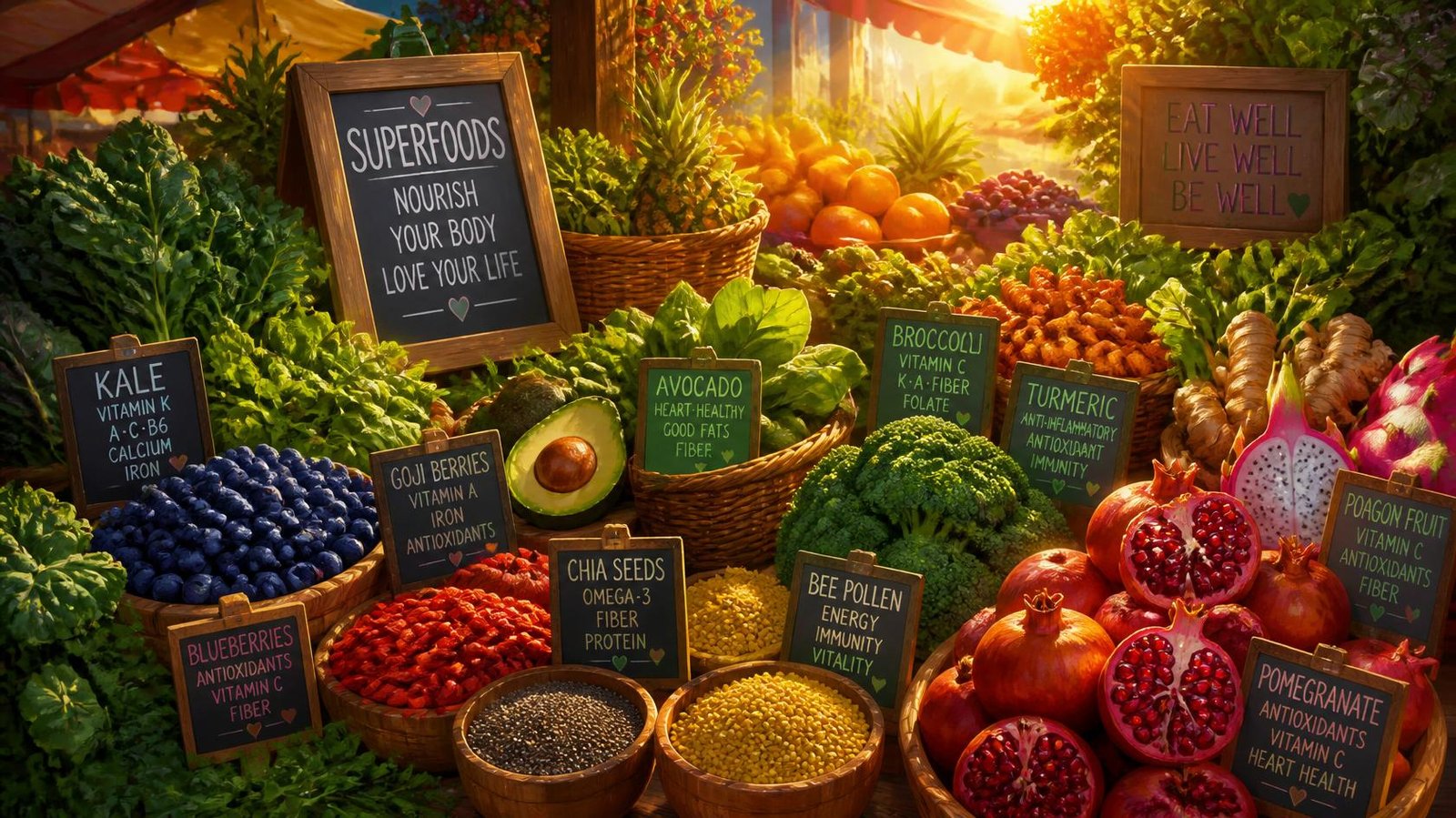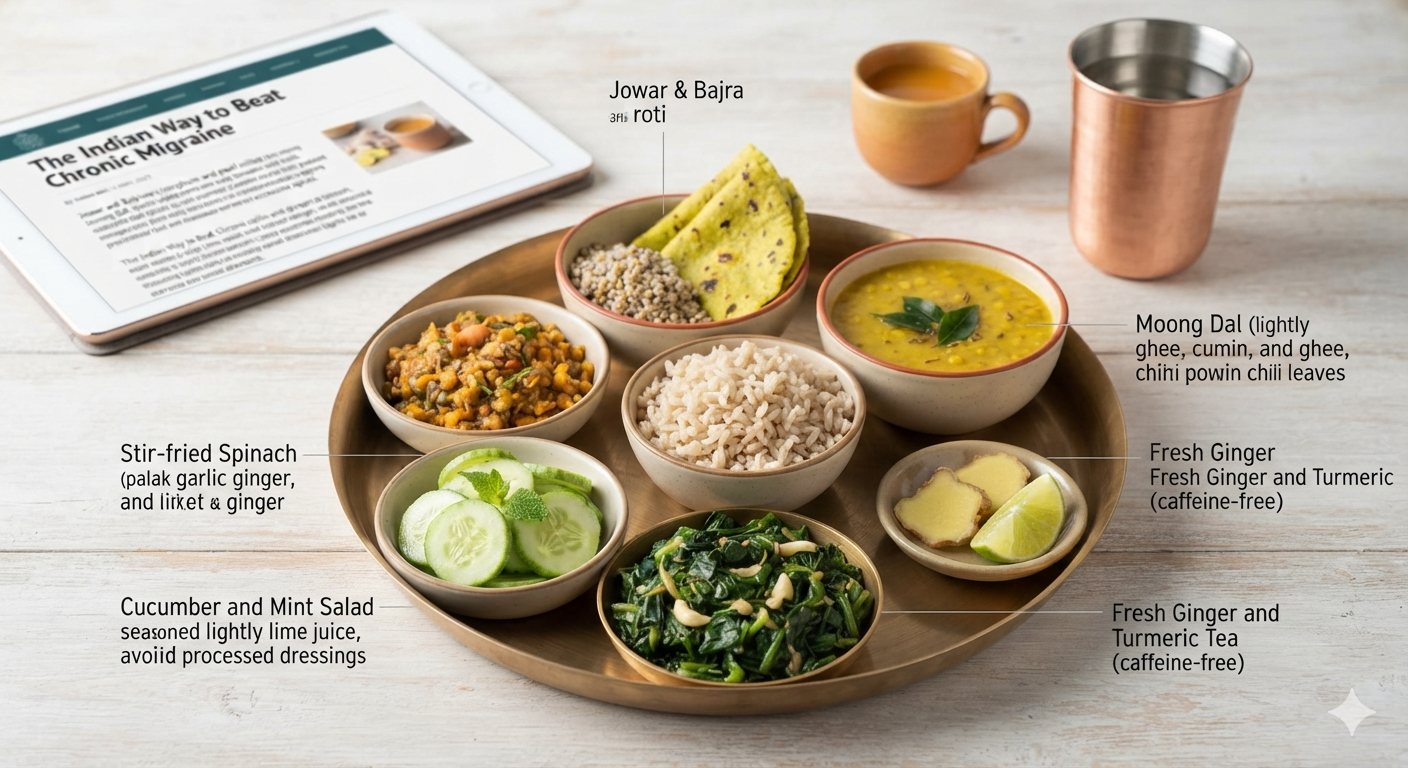
Do you often feel a massive energy crash around 3:00 PM? Your immediate reaction might be to grab a packet of chips, a sweet biscuit, or a sugary drink, but building positive healthy snacking habits is the real secret to staying active. While processed options give you a quick burst of energy, they usually leave you feeling even more tired just an hour later.
Snacking gets a bad reputation, but the truth is that adopting healthy snacking habits keeps your metabolism active
This comprehensive guide will teach you how to master the art of healthy snacking. You will learn the simple science of building a perfect snack, explore easy recipes, and discover how to listen to your body’s true hunger signals.
1). Why Do We Crave Snacks? Understanding Your Body
Before looking at what to eat, it helps to understand why your body asks for food between meals. Hunger is not your enemy; it is simply your body’s communication system.
Physical Hunger vs. Emotional Snacking
It is incredibly easy to mistake boredom, stress, or tiredness for actual physical hunger.
- Physical Hunger: This comes on gradually. Your stomach might growl, or your energy might dip slightly. Any nutritious food sounds appealing to you.
- Emotional Hunger: This happens suddenly. It is usually a craving for a very specific comfort food, like chocolate or fried snacks. It is often triggered by an emotion like stress or loneliness.
The Dehydration Trap
Did you know that mild dehydration feels exactly like hunger? When your body lacks fluids, your brain sends a signal telling you to look for energy. Before opening the pantry, drink a full glass of water and wait 15 minutes. Very often, you will find that the craving completely disappears.
2) The Golden Rule of Healthy Snacking: The Perfect Pair
To make a snack that actually keeps you full for hours, you cannot rely on carbohydrates alone. An apple or a banana is healthy, but eaten by itself, it digests very quickly.
To build successful healthy snacking habits and achieve lasting fullness, you must combine your ingredients using the Perfect Pair Formula:
Healthy Carbohydrate (Fiber) + Lean Protein OR Healthy Fat = Sustained Energy
[ Quick Carbohydrate ] ──> Fast Energy ──> Early Crash
[ Carb + Protein/Fat ] ──> Slow Release ──> 3-4 Hours of Fullness
Why This Formula Works
- Fiber (Carbohydrates): Provides clean energy for your brain and muscles while keeping your digestion smooth.
- Protein: Takes longer for your stomach to break down, which actively turns off your hunger hormones.
- Healthy Fats: Slows down digestion so that sugar enters your bloodstream gradually, preventing energy spikes and crashes.
3) High-Protein Snacks to Beat the Midday Slump
Protein is the king of satisfaction. If you struggle to make it from lunch to dinner without feeling starved, these high-protein choices will change your routine.
- Roasted Chickpeas (Chana): Roast boiled chickpeas in a pan with a drop of olive oil, a pinch of salt, and turmeric. They taste crunchy like chips but provide a massive dose of plant protein and fiber.
- Boiled Eggs with Black Pepper: Hard-boiled eggs are nature’s perfect pre-packaged snack. They contain high-quality protein and essential vitamins. Keep a couple ready in your fridge for busy days.
- Sprouted Moong Chaat: Mix sprouted green gram (moong) with chopped cucumbers, tomatoes, a squeeze of lemon juice, and a pinch of chaat masala. It is refreshing, incredibly light on the stomach, and rich in live enzymes.
- Greek Yogurt or Plain Curd: Plain yogurt contains double the protein of regular sweet yogurt. Top it with a few fresh berries or half a sliced kiwi for a natural touch of sweetness.
Combining your food properly guarantees lasting fullness. National health reviews published by the National Institute of Nutrition India highlight that combining grains with pulses creates a complete, highly digestible plant protein source, making local snacks like sprouted chaat highly superior to packaged protein isolates.
4) Crunchy and Savory Snacks (Healthy Chip Alternatives)
If you love the crunch of potato chips while watching television or working, you do not have to give up that satisfying texture. Swap the deep-fried options for these nutrient-dense alternatives.
- Fox Nuts (Makhana): Dry-roast makhana in a heavy-bottomed pan with half a teaspoon of homemade ghee and black pepper. They are extremely low in calories but highly satisfying.
- Baked Vegetable Sticks: Cut carrots, cucumbers, and bell peppers into long strips. Eat them with a homemade dip like hummus (made from blended chickpeas and sesame paste).
- Mixed Plain Nuts: Almonds and walnuts are excellent for brain health. Keep your portion size to one small handful (around 10 to 12 nuts) per day, as they are nutrient-dense and rich in heart-healthy oils.
- Puffed Rice (Murmura) Sukha Bhel: Toss puffed rice with roasted chana, raw peanuts, chopped onions, and fresh coriander. Avoid adding oily sev or fried mixtures to keep it light.
“…keep your portion size to one small handful per day. According to the official ICMR-NIN Dietary Guidelines for Indians, consuming an average of 30 to 45 grams of unsalted nuts and oilseeds daily is recommended to meet our body’s natural requirement for essential fatty acids without overloading on unneeded calories.”
5) Sweet Snacks That Won’t Spike Your Blood Sugar
When a sugar craving hits, reaching for milk chocolate or pastries causes a rapid spike in blood glucose, followed by an immediate fatigue crash. Try these naturally sweet alternatives instead.
- Apple Slices with Peanut Butter: Slice a crisp apple and dip it into one tablespoon of natural, unsweetened peanut butter. The healthy fats in the peanut butter slow down the absorption of the natural sugars in the apple.
- Dates Stuffed with Walnuts: Take two soft dates, remove the seeds, and place half a walnut inside each. It tastes exactly like a rich dessert but delivers clean fiber and omega-3 fatty acids.
- Homemade Oatmeal Bites: Mix rolled oats, a tablespoon of honey, a spoonful of seeds, and mashed banana. Roll them into small balls and store them in the fridge. They require no cooking and satisfy any sweet tooth perfectly.
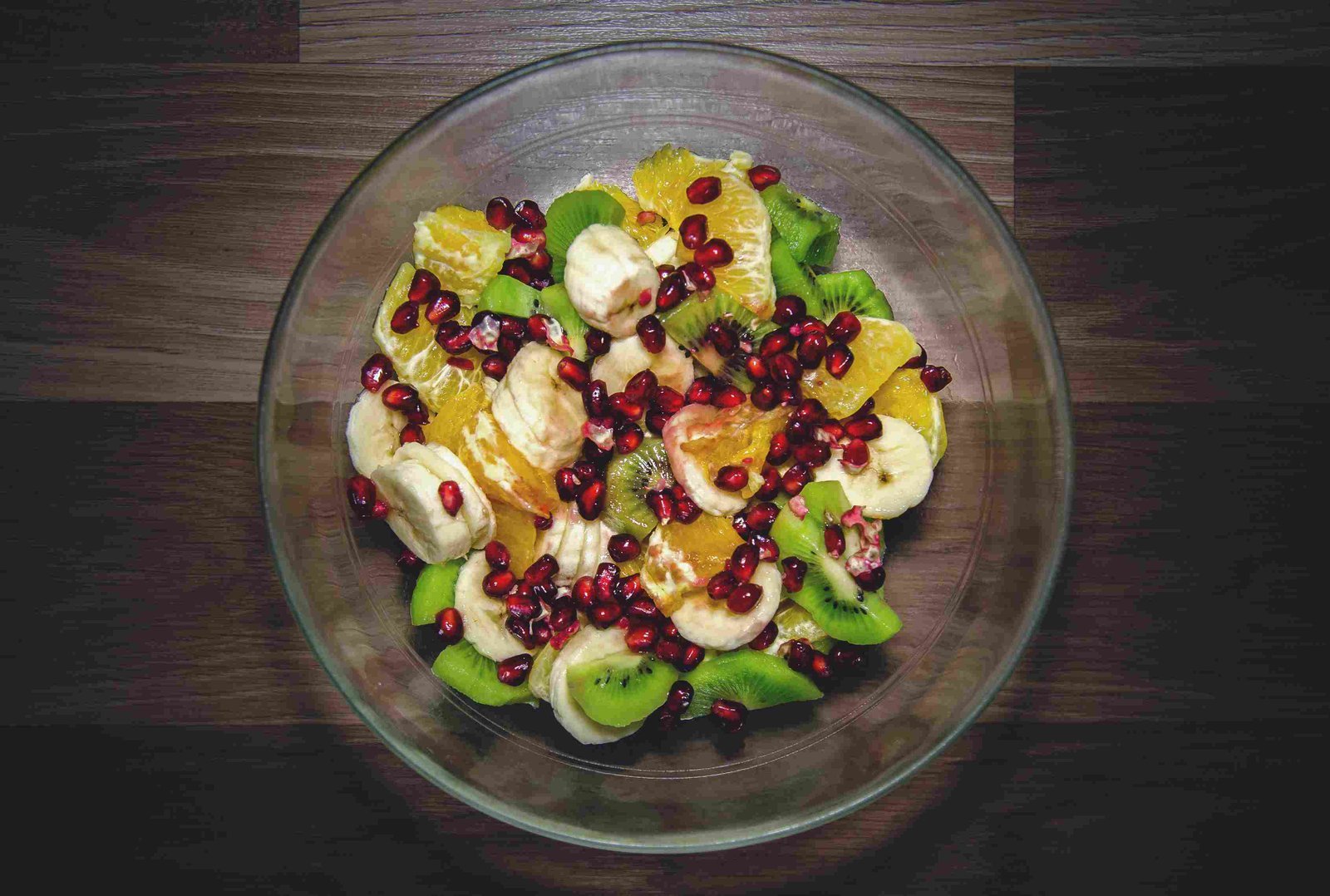
- Fresh Seasonal Fruit: A bowl of fresh papaya, pomegranate pearls, or seasonal berries provides natural water, vitamins, and antioxidants that protect your cells.
6) Smart Swaps: Upgrading Your Pantry
Making healthy choices is much easier when your kitchen is stocked with the right ingredients. Look at how simple it is to upgrade your daily habits with these straightforward food swaps:
To establish long-term healthy snacking habits, you do not need to restrict—you simply need to upgrade your choices. In fact, structural updates from the official ICMR Dietary Guidelines Profile strongly urge the Indian public to actively minimize ultra-processed foods that are high in hidden fats, added refined sugars, and excessive chemical preservatives.”
To build a healthier routine, you do not need to restrict your food—you simply need to upgrade your choices. Use this simple guide to see how easily you can swap processed snacks for wholesome, nutrient-dense alternatives:
| Avoid This (High Sugar/Processed) | Choose This Instead (Nutrient-Dense) |
|---|---|
| Potato Chips / Fried Namkeen | Roasted Makhana or Roasted Chana |
| Sweet Bakery Biscuits / Cookies | Oatmeal Bites or a Handful of Almonds |
| Packaged Fruit Juices / Sodas | Fresh Coconut Water or Plain Buttermilk |
| Flavored, Sugary Yogurt | Plain Curd with Fresh Chopped Fruit |
| Milk Chocolate Bars | A Square of Dark Chocolate (70%+ Cocoa) |
7) How to Practice Mindful Snacking
Where and how you eat your snack matters just as much as what you eat. use these three pillars of mindful eating to build healthy snacking habits and create a better
1. Remove Digital Distractions
Never eat your snack while looking at your smartphone, laptop, or television screen. When your brain is distracted by electronics, it misses the biochemical “fullness” signals from your stomach. This leads to accidental overeating. Sit down, look at your food, and enjoy every bite.
2. Pre-Portion Your Food
Avoid eating directly out of a large multi-pack box or bag. Your brain judges how much it has eaten by seeing a clean plate. Take a small portion out, place it into a dedicated bowl, and put the main container back in the cupboard before you start eating.
3. Chew Slowly
Your digestion starts right in your mouth. Chewing your food thoroughly mixes it with saliva, making it significantly easier for your stomach to process. It also gives your body the 20 minutes it naturally needs to register that it is no longer hungry.
8) Summary Checklist for Daily Success
To easily implement these habits into your life, keep this quick reference guide in mind:
- Hydrate First: Drink a glass of water before deciding if you need a snack.
- Check the Balance: Ensure your snack has a clear source of protein or healthy fat alongside your carbohydrates.
- Watch the Added Salt: Choose unsalted or minimally salted nuts and seeds to keep your blood pressure stable.
- Prepare Ahead: Keep healthy snacks visible on your counter or front-and-center in your fridge so you reach for them first.
Frequently Asked Questions (FAQs)
Is it healthy to snack at night before going to bed?
Ideally, try to finish eating two hours before sleeping to give your digestive system a break. If you feel genuinely hungry at night, choose something very small and easy to digest, like a small cup of warm turmeric milk or a few almonds. Avoid heavy, spicy, or sugary foods right before bed.
Can snacking help me lose weight?
Yes, if done correctly. Eating a small, balanced snack prevents you from arriving at lunch or dinner feeling starved. When you are overly hungry, your self-control drops, and you are much more likely to choose larger portions or processed fast foods.
Are packaged “protein bars” a good snacking choice?
You must check the ingredient label carefully. Many commercial protein bars contain as much added sugar and artificial corn syrup as a candy bar. Look for bars that have minimal ingredients, no added refined sugar, and use natural sources of protein like nuts and seeds.
How many snacks should I eat in a day?
For most individuals practicing healthy snacking habits, one mid-morning snack (between breakfast and lunch) and one mid-afternoon snack (between lunch and dinner) are perfectly sufficient to keep energy levels stable. Listen to your body’s individual activity levels.
Educational Disclaimer:
This article is created strictly for general health education and informational purposes. It does not constitute individual medical advice, diagnosis, or treatment protocols. If you have specific medical conditions—such as diabetes, kidney issues, severe food allergies, or digestive disorders—always consult your personal qualified healthcare professional or clinical nutritionist before making significant adjustments to your daily dietary regimen.
Written by: Dr. Ravi Bhatt, BHMS