Introduction: Why Move a Little Every Day?
Building simple daily exercise habits is one of the most effective ways to transform your body and protect your long-term health naturally. We often hear that we need to live healthier lives, yet we are constantly bombarded with ads for expensive gym memberships, complicated workout setups, and intense fitness programs. This overwhelming stream of information makes physical fitness feel like a massive chore, causing many people to give up on building simple daily exercise habits before they even start..
The wonderful truth is that your body does not care about fancy gym equipment; it simply thrives on regular movement.
When you consistently practice simple daily exercise habits, you change how your body functions from the inside out. Physical activity keeps your heart pumping smoothly, clears the mental fog out of your brain, and helps protect your joints as you grow older. You do not need to lift massive weights or run marathons to enjoy these life-changing physical upgrades.
According to global guidelines from the World Health Organization (WHO), regular physical activity is vital for preventing and managing chronic conditions like heart disease and diabetes. This guide will show you how to naturally blend movement into your daily routine. We will skip the confusing fitness terms and focus on real, practical steps that anyone can follow.
The True Power of Daily Movement
When you sit for long hours, your body slowly goes into a resting state. Your blood flow slows down, your muscles relax completely, and your metabolism drops. Over time, this quiet lifestyle can make you feel constantly tired, stiff, and low on energy.
Introducing regular, low-impact exercise acts like a reset button for your entire system. Let’s look at the primary ways daily physical activity elevates your life:
1. Natural Boost in Daily Energy
It sounds backward: how does spending energy give you more energy? When you move, your lungs pull in more oxygen, and your heart pumps blood more efficiently to your vital organs. This gives you a natural surge of vitality that easily beats a temporary caffeine rush. Research curated by Harvard Health Publishing highlights how routine movement fights fatigue by improving cellular efficiency.
2. Sharper Brain Health and Happier Moods
Have you ever noticed that you feel less stressed after taking a walk? Physical movement causes your brain to release natural chemicals called endorphins. These chemicals act like internal mood-lifters, helping to ease feelings of anxiety and clear out mental clutter. Experts at the Mayo Clinic state that routine physical activity is an incredibly effective natural tool for mitigating daily stress.
3. Solid Joint and Muscle Protection
Your muscles and joints follow a simple rule: use them or lose them. Gentle daily exercise keeps your muscles resilient and keeps your joints lubricated. This prevents that nagging morning stiffness and protects your balance as you age.
Overcoming the Biggest Fitness Roadblocks
Many people want to exercise but run into common everyday barriers. Recognizing these hurdles helps you move past them with ease.
| Common Barrier | The Real Challenge | The Simple Solution |
| No Time | Busy schedules leave no room for 60-minute workouts. | Break it down into brief 10-minute micro-walks. |
| Low Energy | Feeling too exhausted after a long day to move. | Start with light stretching; movement creates energy. |
| Boredom | Repetitive exercise routines feel dry and uninspired | Mix up your activities by dancing, gardening, or walking. |
| Joint Discomfort | High-impact running hurts the knees or lower back. | Switch to low-impact swimming or steady walking. |
5. Simple Daily Exercise Habits Anyone Can Build
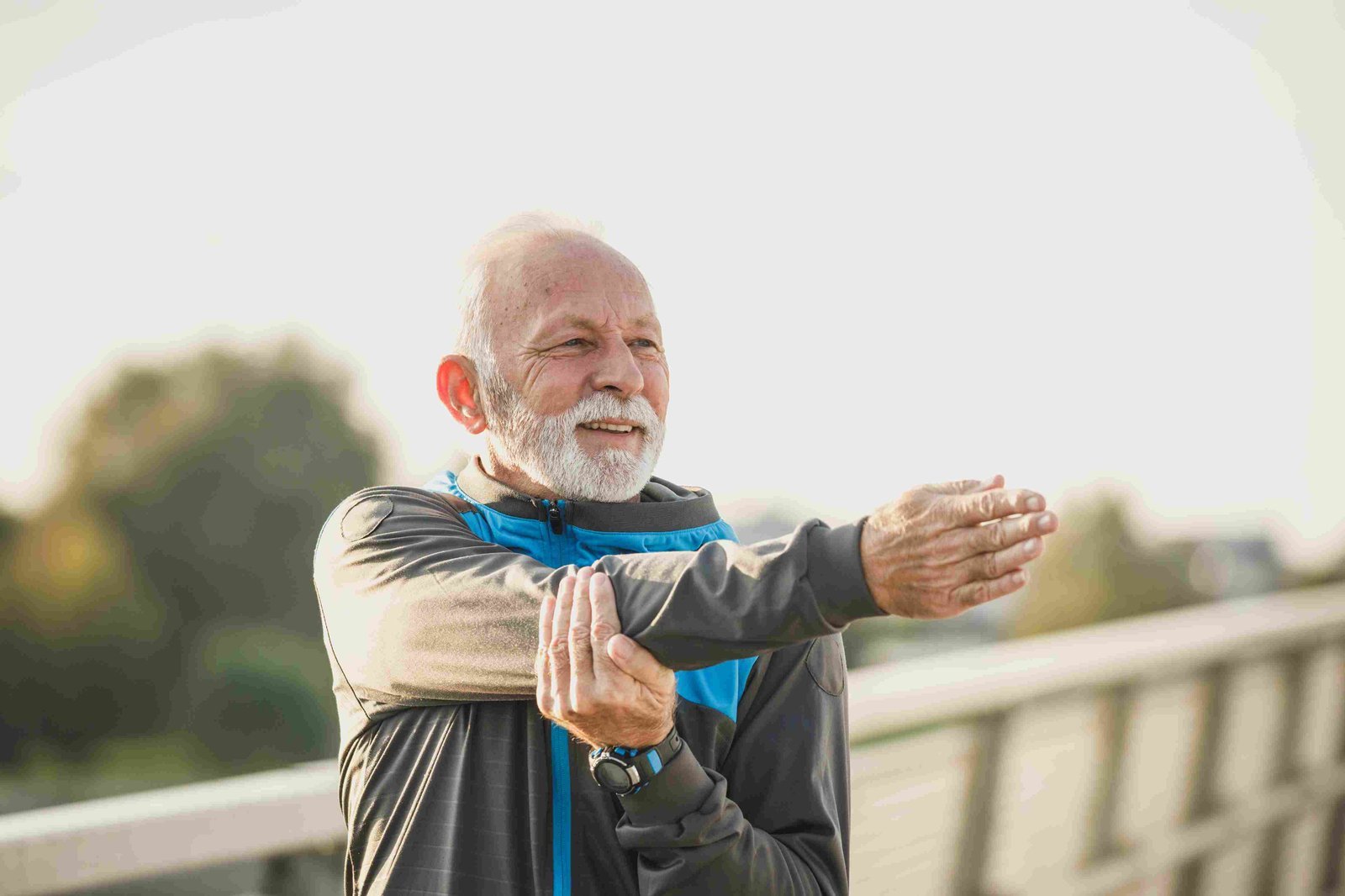
Commit to a Morning Stretch Routine
Before reaching for your phone or turning on the TV, spend five minutes stretching your body right next to your bed. Reach high toward the ceiling, roll your shoulders backward, and gently bend to touch your toes. This signals your nervous system that it is time to wake up, opening up your blood vessels and waking up stiff muscles.
Take Short “Activity Breaks” at Work
If you work at a desk or sit for long hours, set an alarm on your phone for every 60 minutes. When it rings, stand up for just two minutes. You can walk to get a glass of water, do a few gentle knee raises, or simply stand and stretch your arms. The Centers for Disease Control and Prevention (CDC) encourages adding these micro-movements throughout sedentary work hours to improve metabolic markers.
Choose the Active Route
Look for hidden opportunities to move during your normal day. Park your car at the far back of the parking lot when visiting the store. Take the stairs instead of the elevator if you are only going up two or three floors. Walk to a nearby colleague’s desk to talk instead of sending a digital message. These tiny steps add up significantly by the end of the week.
Turn Chores into Fun Movement
Household tasks are an incredible, overlooked source of physical activity. Sweeping the floor, wiping down windows, washing your car by hand, or working in your garden all burn calories and build functional strength. Turn on your favorite upbeat music while cleaning to naturally increase your pace and enjoy the process.
Wind Down with an Evening Walk
A quiet, 15-minute walk after your evening meal does wonders for your health. It stimulates your digestive system, helping your body process dinner comfortably. It also provides a peaceful transition period to separate your stressful workday from your relaxing sleep time, making it much easier to fall asleep at night.
How to Stay Safe and Avoid Injury
Starting a new routine is highly exciting, but keeping your body safe must always be your top priority. Pushing too hard, too fast is a fast track to pain and long breaks.
Begin at a Relaxed Pace
If you have not exercised in a long time, start with just 5 to 10 minutes of light effort per day. Slowly add a few minutes each week as your body adjusts.
Warm Up and Cool Down
Never plunge your body into rapid movement when your muscles are cold. Spend a few minutes walking slowly before picking up your pace, and slow down gradually at the end.
Stay Hydrated
Drink water before, during, and right after you move. Dehydration causes muscle cramps and makes your heart work much harder than it needs to. You can check the guidelines on WebMD for specific hydration schedules during mild physical exertion.
Wear Supportive Shoes
A good pair of comfortable, supportive sneakers protects your ankles, knees, and lower back from unnecessary impact.
The Science of Habit Building: Making It Stick
The reason many fitness plans fail is that they rely purely on willpower. Willpower is like a battery; it slowly runs out when you are stressed, tired, or busy. To make movement permanent, you must focus on turning simple daily exercise habits into an automated routine.
Tie New Habits to Old Triggers
The easiest way to build a new habit is to anchor it to something you already do every single day. For example:
- “Right after I brush my teeth in the morning, I will do five gentle squats.”
- “As soon as I close my work laptop for lunch, I will go outside for a ten-minute walk.”
By anchoring your new movement to an established anchor, you eliminate the mental effort of deciding when to exercise.
Keep the Step Incredibly Small
When you first start out, make the goal so tiny that it feels impossible to fail. Do not promise yourself that you will walk for an hour every day. Instead, commit to putting on your shoes and walking outside for exactly five minutes. Most of the time, once you are moving, you will gladly keep going. On the days you don’t, you still kept your promise to yourself and maintained the habit loop.
Frequently Asked Questions (FAQs)
How many minutes should I exercise every single day?
For general health, global health experts recommend aiming for roughly 30 minutes of moderate movement, five days a week. However, if you are pressed for time, splitting this up into three 10-minute walks throughout the day provides the exact same fantastic cardiovascular benefits.
Is walking actually considered a real workout?
Absolutely! The American Heart Association (AHA) confirms that walking is one of the absolute best exercises for human health. It is exceptionally gentle on your joints, requires no expensive gear, helps maintain a healthy weight, and significantly improves heart health.
What should I do if my joints feel sore after moving?
Mild muscle tiredness is entirely normal when you start using new muscle groups. However, if you experience sharp, localized pain in your joints, stop immediately. Rest the area, apply a cold compress if needed, and speak with a qualified medical provider if the pain does not fade.
Can I get healthy without lifting heavy gym weights?
Yes. Your own body provides plenty of natural resistance. Activities like walking, climbing stairs, carrying groceries, and bodyweight movements build plenty of functional strength to keep you healthy and independent for life.
Quick Summary: Key Takeaways
If you only have a minute, here is how you can transform your health today:
Ditch the “All-or-Nothing” Mindset: You do not need hours in a gym; small movements add up.
Heart Health: Walking just 20 to 30 minutes daily dramatically lowers systemic disease risks.
Consistency Wins: Exercising at the same time every day builds an automated habit loop.
Listen to Your Body: Rest is just as critical as movement to prevent physical burnout.
Conclusion: Start with Just One Small Step Today
Improving your physical health does not require a dramatic lifestyle overhaul or punishing workout plans. Real, lasting health transformations are built quietly through simple daily exercise habits that you can maintain month after month.
Pick just one single habit from this guide to try today. Whether it is a quick stretch when you get out of bed, taking the stairs at the office, or enjoying a brief walk after dinner, celebrate that movement. Consistency is your true secret weapon. Take care of your body today, and it will proudly take care of you for all the years to come.
Interested in a personalized approach to your physical wellness?
Explore more holistic health strategies or by visiting our home page at drravibhatt.com.
Author: Dr. Ravi Bhatt, BHMS (Homeopathic Physician & Wellness Consultant)
Published/Last Updated: July 18, 2026
Medical Disclaimer: The information on this blog is intended for educational purposes only. It is not a substitute for professional medical advice, diagnosis, or treatment. Always consult with your doctor before starting any new physical activity routine.