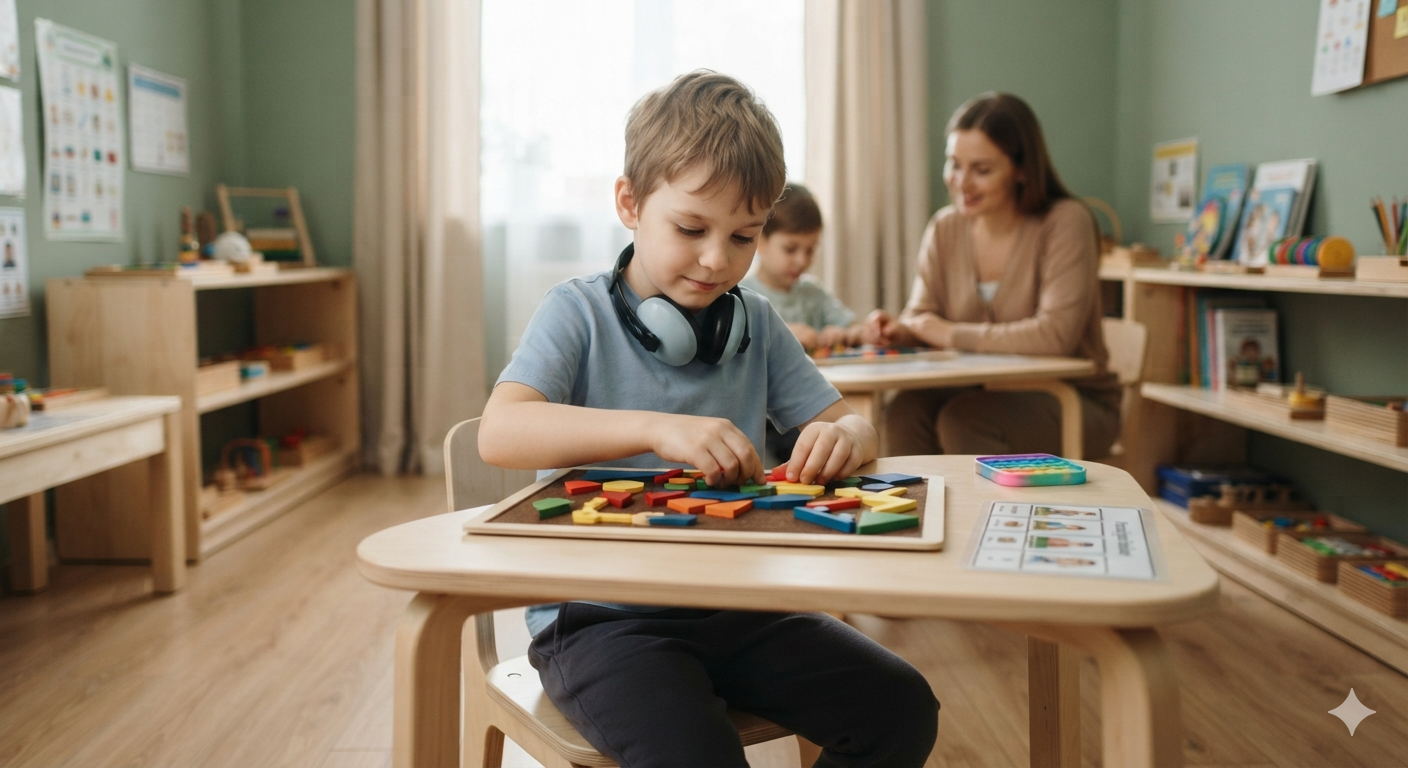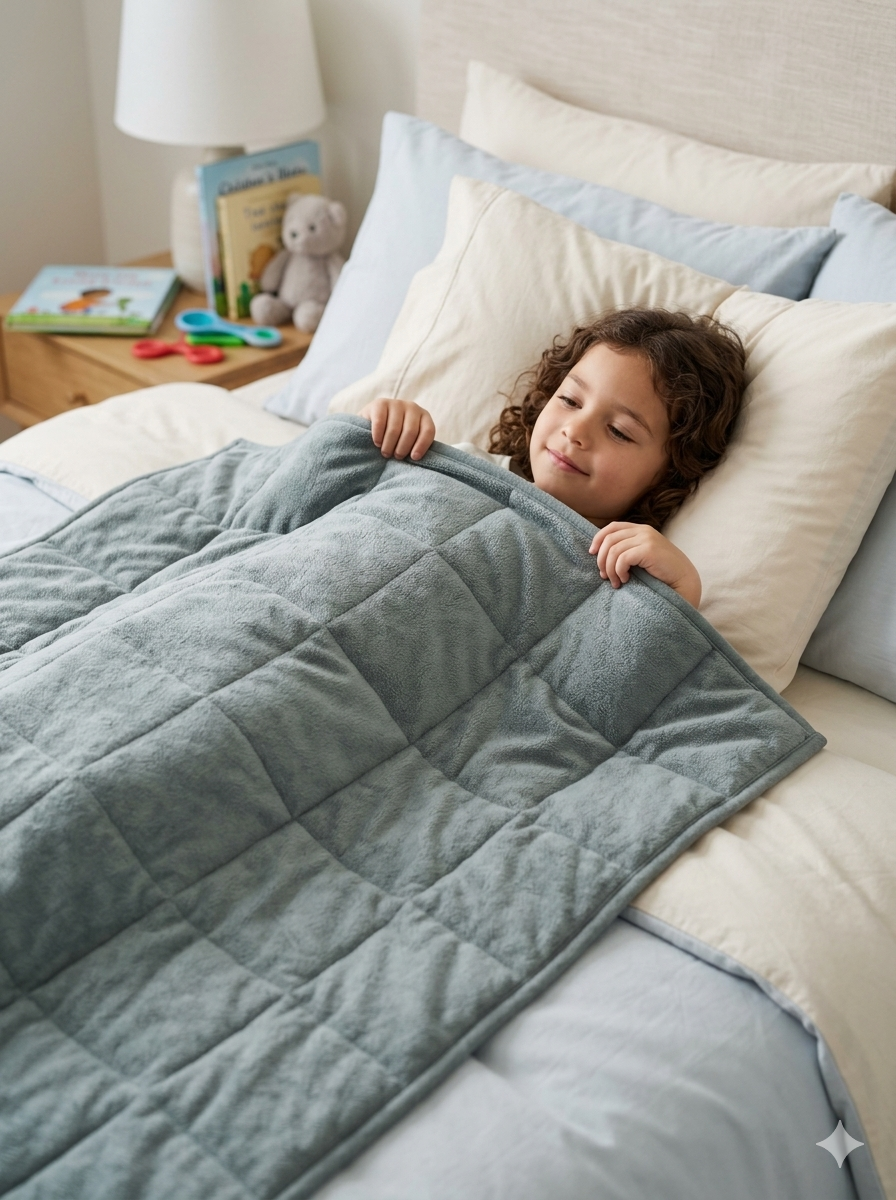
As a parent navigating sensory processing differences, finding tools to help your child relax can feel like an endless puzzle. One of the most effective, non-invasive tools available today is Deep Touch Pressure (DTP) therapy. However, because a child’s physical safety is paramount, you cannot simply guess what size to buy. Using an accurate weighted blanket weight chart is essential to ensure your child experiences the therapeutic benefits without any physical strain or risk.
The baseline industry rule for pediatric safety states that a weighted blanket for an autistic child should equal roughly 10% of their total body weight, plus an additional 1 to 2 pounds.
How to Read Our Weighted Blanket Weight Chart:
To prevent discomfort or injury, use this calculated guide to match your child’s physical weight to the correct product specs.
| Child’s Total Weight | Recommended Blanket Weight | Safety Suitability & Restrictions |
| Under 20 lbs | ❌ NOT SAFE | Strictly forbidden for infants under age 1 |
| 30 – 40 lbs | 3 to 4 lbs | Safe for toddlers age 3+ with full mobility |
| 50 – 70 lbs | 5 to 7 lbs | Ideal for young school-aged children |
| 80 – 100 lbs | 8 to 10 lbs | Suited for pre-teens and older children |
| 110 – 130 lbs | 10 to 12 lbs | Suited for teenagers |
How Deep Pressure Therapy Helps Autistic Children:
Weighted blankets are not just heavy bedding; they function as a therapeutic modality. When uniform weight is distributed across the body, it stimulates the tactile and proprioceptive systems. This phenomenon shifts the nervous system from a “fight or flight” sympathetic state to a calm, parasympathetic state.
- Neurological Grounding: Clinical research shows that deep pressure stimulation naturally triggers a chemical release in the brain. A comprehensive review published on the National Center for Biotechnology Information (NCBI) PMC notes that deep pressure touch increases the production of serotonin and melatonin while actively reducing cortisol (the primary stress hormone).
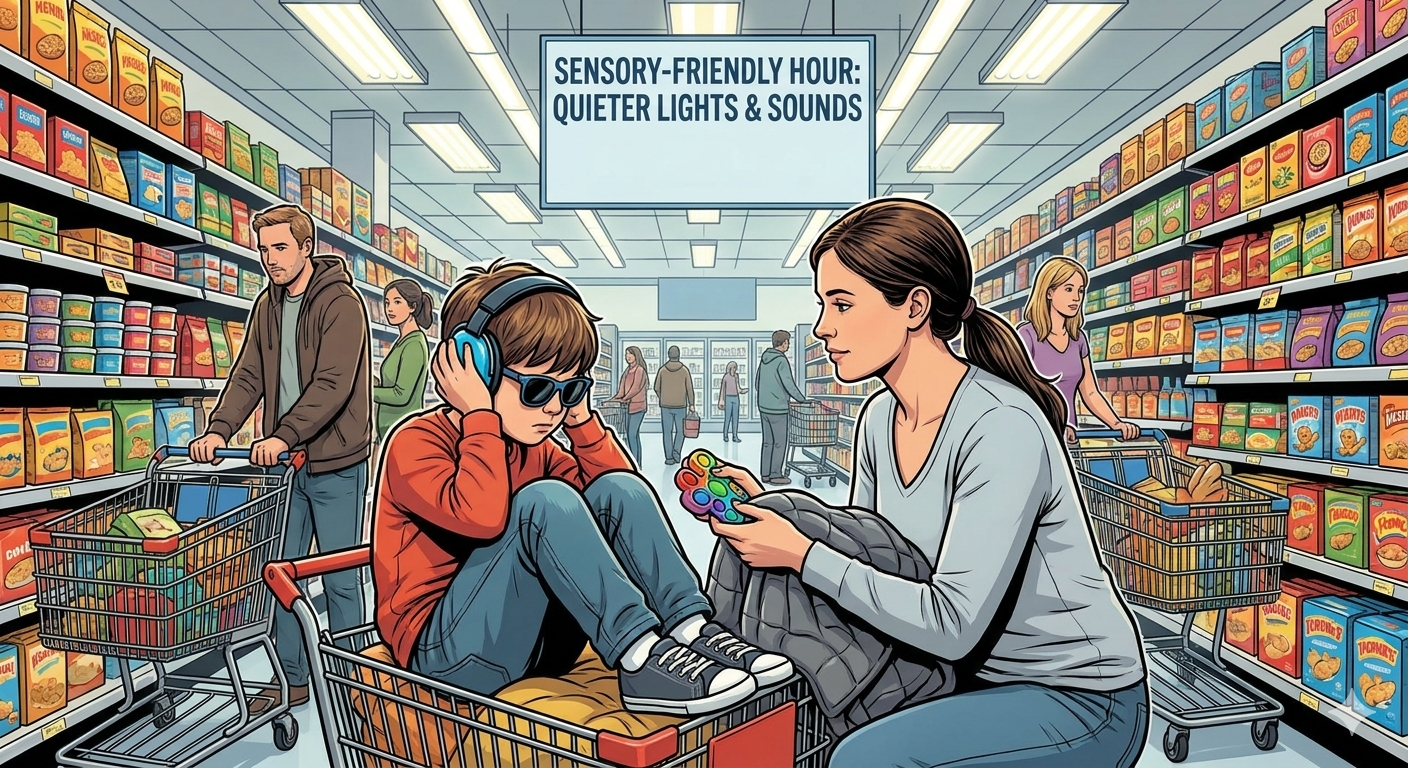
- De-escalating Sensory Overload: For children experiencing an intense sensory meltdown, the firm boundaries of the blanket provide a physical anchoring mechanism. This help allows the child to regain spatial and bodily awareness.
- Improving Sleep Efficiency: While anecdotal evidence in communities is widespread, a clinical trial hosted by Taylor & Francis Online confirmed that pediatric usage of weighted blankets significantly improved the ability to fall asleep, sleep through the night, and calm down during evening routines.
Using deep touch pressure is incredibly effective, but it is important to first understand whether your child is experiencing a true AuDHD meltdown versus standard sensory overload so you can tailor your environmental support correctly.
Safety Rules Every Parent Must Read:
- The Age Barrier: Weighted items should never be used for infants or young toddlers. Leading developmental groups featured in the Autism Parenting Magazine Guide warn that children under the age of two lack the respiratory and muscular strength to overcome heavy entrapment.
- The Independent Movement Test: Your child must possess the upper-body motor skills required to pull the blanket off their face or slide out from under it without assistance. If they cannot do this, the blanket poses an immediate suffocation hazard.
- Physical Contraindications: Do not introduce a heavy blanket if your child has underlying medical issues such as asthma, sleep apnea, circulatory problems, or low muscle tone (hypotonia). Before introducing any sensory tools, it is best to consult with an expert or read professional therapy advice like the GriffinOT Pediatric Sensory Guidelines to avoid accidental injury.
Choosing the Right Dimensions (Size Matters):
When consulting a weighted blanket weight chart, dimensions matter just as much as physical pounds. A common mistake parents make is buying a blanket that matches the dimensions of their child’s bed mattress rather than their body.
A common mistake parents make is buying a blanket that matches the dimensions of their child’s bed mattress. Weighted blankets should be sized to fit the child’s body, not the bed.
If a 10-pound blanket hangs loosely over the edges of a twin bed, gravity will slowly pull the excess overhang down toward the floor. This creates a severe uneven drag that can feel uncomfortably restrictive to an autistic child, or cause the blanket to pull off entirely during sleep. Keep the blanket dimensions contained strictly to the top surface area where your child rests
Materials and Fillings: What to Look For:
The interior engineering of a blanket affects sensory regulation just as much as its weight. Pay close attention to these components:
1.Micro-Glass Beads vs. Plastic Pellets: Always seek out blankets manufactured with premium micro-glass beads rather than plastic poly-pellets. Glass beads are much smaller, do not bunch up awkwardly, and remain completely silent when the child moves. Plastic pellets can make a loud, rustling sound that triggers auditory sensitivity or waking during the night.
2.Breathable Outer Fabrics: Many sensory blankets utilize a hot, synthetic minky or fleece fabric. Because many neurodivergent children have difficulty regulating internal body temperatures, look for premium organic cotton or specialized cooling bamboo fabrics to prevent dangerous nightly overheating.
Choosing a completely silent glass-bead filling ensures the blanket doesn’t trigger auditory sensitivities, which is especially helpful if your child already experiences heightened anxiety during difficult routine changes throughout the week.
Parents Also Ask: Sensory Blanket FAQs:
Before reviewing the specific questions below, make sure you have calculated your baseline numbers using our main weighted blanket weight chart above.
- Can an autistic child sleep with a weighted blanket all night?
Yes, if the child has full physical mobility and can remove the blanket independently. However, many occupational therapists recommend using it for 20 to 30 minutes before sleep to calm the nervous system, then removing it once the child is deeply asleep to prevent late-night overheating.
2. What if my child’s weight is exactly between two blanket sizes?
If your child falls right between standard dimensions (for example, weighing 75 pounds), always round down to the lighter blanket size rather than rounding up. It is safer to use a sensory tool that is slightly lighter than one that risks over-restriction or breathing difficulties.
3. How do you know if a weighted blanket is too heavy for a child?
Watch your child’s physical cues. Signs that the blanket is too heavy include red marks on the skin, heavy breathing, grunting, or the child actively struggling to shift positions under the fabric. If they cannot lift the blanket off their chest with ease, remove it immediately.
4. Can you use a weighted blanket for a toddler with autism?
Weighted blankets are strictly contraindicated for infants and toddlers under the age of 2 or 3. Younger toddlers lack the respiratory control and motor strength needed to free themselves if the blanket accidentally shifts over their mouth or face.
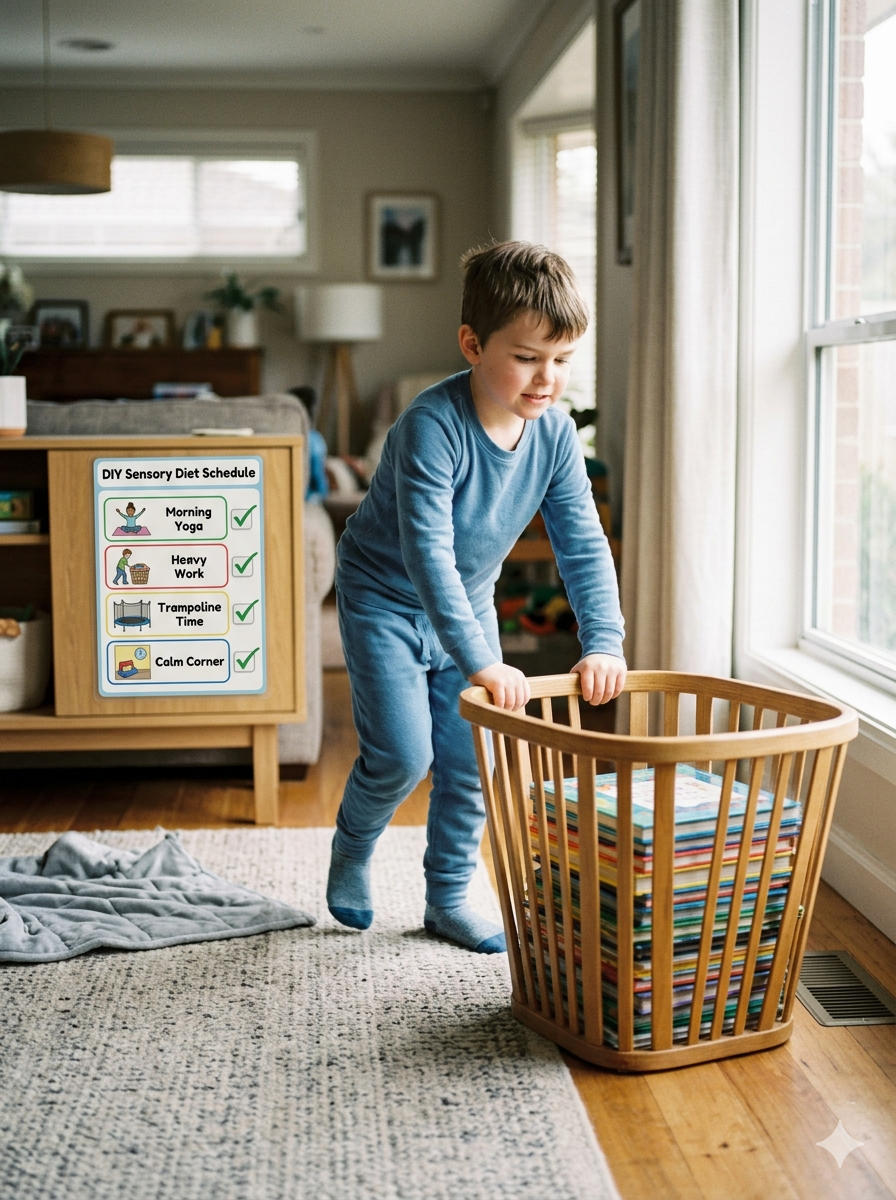
For the absolute best therapeutic results, try embedding your child’s blanket usage into a broader, customized DIY sensory diet schedule at home.
Medical Disclaimer: The information, including the sensory weight guidelines and charts provided in this article, is for educational and informational purposes only. It is not intended to be a substitute for professional medical advice, diagnosis, or treatment. Weighted blankets and sensory tools carry inherent physical risks and should only be introduced under the guidance of a licensed pediatrician or a registered Occupational Therapist (OT). Never disregard professional medical advice or delay seeking it because of something you have read on this website
About the Author
Dr.Ravi Bhatt is a dedicated Health & Parenting Writer / Pediatric Health Advocate with over 12 years of experience translating complex clinical guidelines into practical advice for neurodivergent families. Passionate about child safety and evidence-based care, Dr.Ravi Bhatt cross-references all health content with peer-reviewed medical journals and occupational therapy standards. This article was thoroughly researched and structured to align with pediatric safety guidelines. You can connect or read more safety guides on our Home Page.