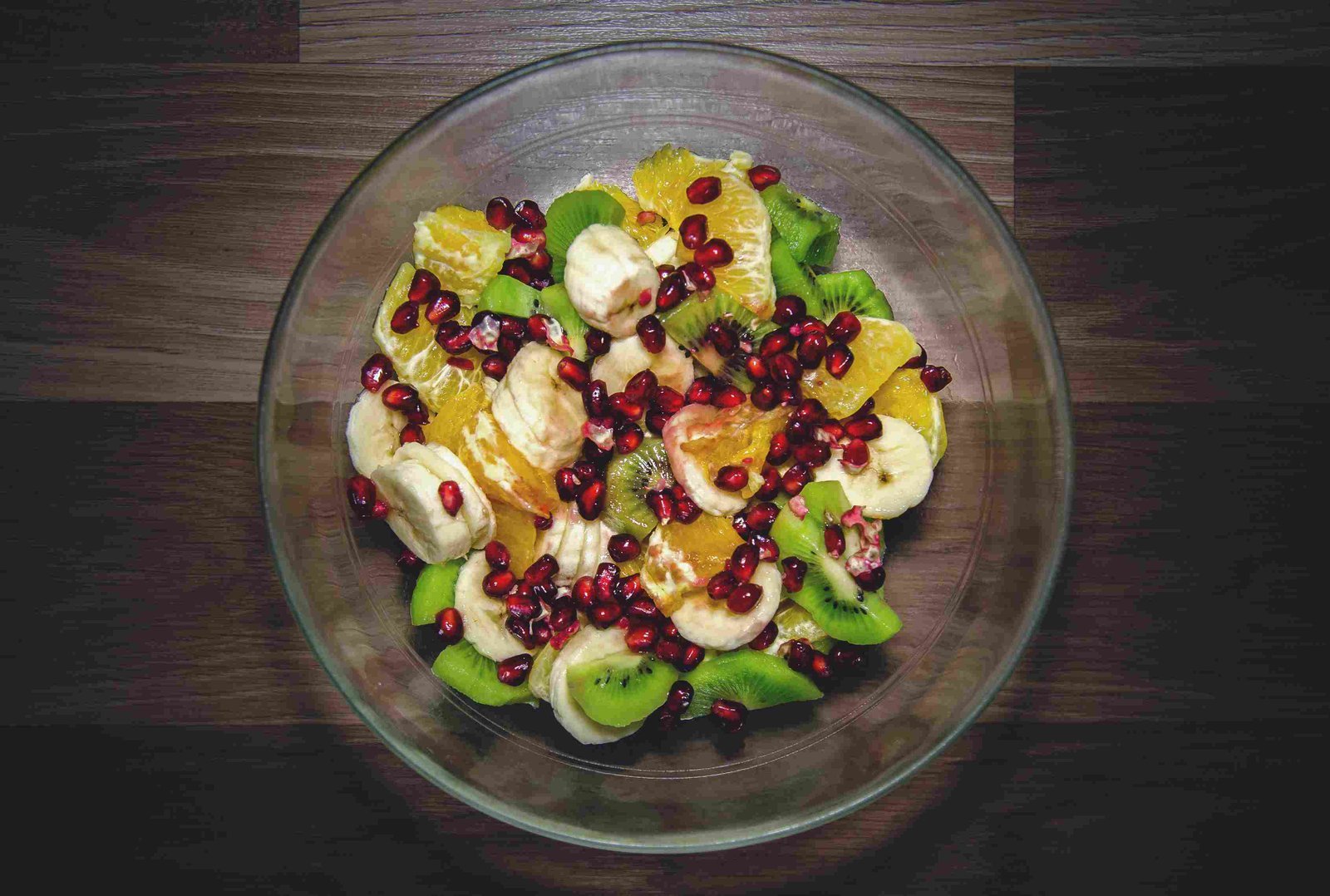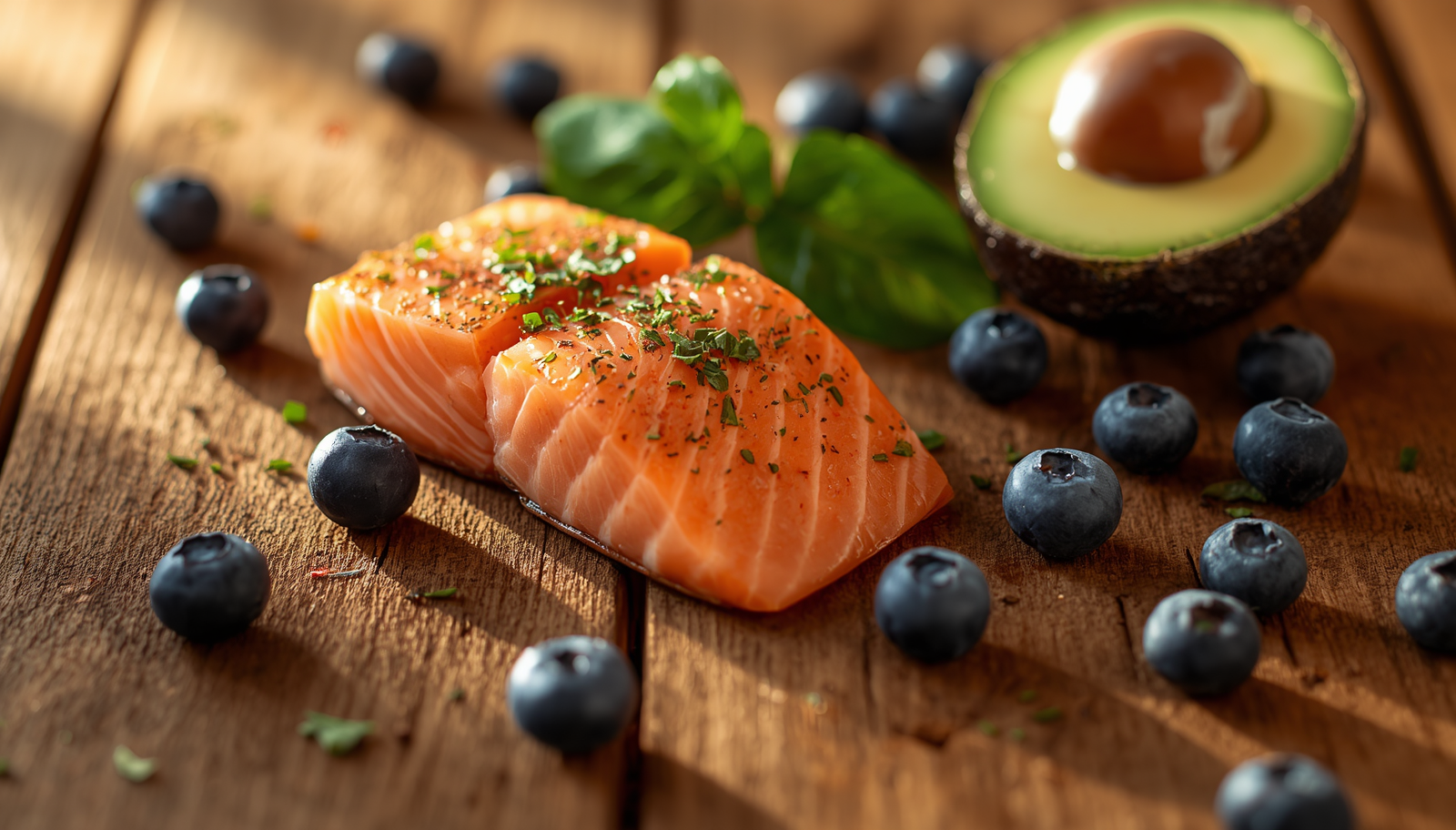
Knowing exactly what to eat after ACL surgery is one of the most effective ways to accelerate your knee rehabilitation and protect your leg muscles. While performing your daily exercises with your orthopedic physical therapy specialist is crucial, the healing foods you put into your body play an equally vital role in how fast your joint recovers.
Think of your body as an active construction site. Your orthopedic surgeon fixed the structural damage using advanced graft techniques, but your daily diet provides the raw materials needed to rebuild cellular tissue, reduce painful joint swelling, and get you back to your regular activities.
This comprehensive guide breaks down exactly what to eat after acl surgery in simple, everyday language. You do not need a medical degree to understand how to eat your way to a faster, stronger knee recovery.
Why Your Diet Matters After Orthopedic Surgery:
When evaluating what to eat after acl surgery, it helps to understand how your knee joint experiences acute trauma. In response to the procedure, your immune system triggers an inflammatory cascade to protect the area. While initial inflammation is a natural part of healing, excessive or prolonged swelling can stiffen the joint, stall your physical therapy progress, and prolong your need for prescription pain medications.Structuring a smart plan around what to eat after acl surgery helps you:
- Accelerate cellular tissue repair: Your body requires specific building blocks to knit together the new ligament graft.
- Naturally manage knee swelling and pain: Anti-inflammatory foods act like gentle, natural swelling reducers.
- Prevent muscle atrophy: Your quadriceps and hamstring muscles shrink remarkably fast when your leg is immobilized in a post-op knee brace.
- Support your immune system: Hospital procedures temporarily alter your defenses; clean nutrition is your best shield against post-surgical infections.
Phase 1: Immediately After Surgery (Days 1 to 3)
The first few days at home can be incredibly challenging. Many patients experience strong nausea caused by the hospital anesthesia or prescribed opioid pain medications. Your primary medical goals during this initial window are deep hydration, settling your digestive tract, and actively preventing post-op constipation.
Settle Post-Anesthesia Nausea
Anesthesia can leave your stomach feeling weak and unstable. Do not force yourself to eat heavy, greasy meals immediately. Instead, focus on bland, highly digestible liquids and solids:
- Clear bone broths: Chicken, beef, or vegetable bone broth provides vital hydration and natural electrolytes like sodium and potassium.
- Plain carbohydrates: Premium crackers, dry toast, and white rice help absorb stomach acids without causing irritation.
- Ginger-infused tea: Natural ginger is a clinically proven remedy to calm the stomach’s nausea receptors.
Combat Post-Surgery Constipation
Prescription narcotic pain relievers are excellent for managing knee pain, but they notoriously freeze your digestive tract. Severe constipation can cause intense abdominal discomfort, making it even harder to manage your mobility.
- Hydrate constantly: Drink at least 8 to 10 large glasses of filtered water daily. Fluids are mandatory to keep your digestive tract moving.
- Organic prune juice: A gentle, time-tested natural laxative that stimulates bowel motility.
- Gentle dietary fiber: Plain oatmeal, unsweetened applesauce, and chia seeds add bulk to your stool without upsetting your stomach.
For long-term gut support during recovery, you can learn how to improve digestive health naturally to keep your metabolism active while you rest.
Phase 2: The Healing & Rebuilding Phase (Weeks 1 to 6
Once your post-operative nausea clears and your normal appetite returns, your body shifts into overdrive. This is the optimal window to change your strategy regarding what to eat after acl surgery to focus heavily on nutrients that lower joint inflammation and assist your knee rehabilitation program.
🔺 The ACL Recovery Nutrition Triangle
- The Peak: Lean Protein
(Lean Meats, Eggs, Fish, Tofu) — Rebuilds the ligament graft and shields against muscle loss. - Left Base: Anti-Inflammatory Fats
(Extra Virgin Olive Oil, Avocados, Walnuts) — Naturally calms joint capsule swelling. - Right Base: Essential Vitamins & Minerals
(Citrus Fruits, Berries, Leafy Greens, Zinc) — The biological glue that creates new collagen.
1. Lean Protein: The Ultimate Shield Against Muscle Atrophy
Protein is the single most critical nutrient for a successful ACL recovery. Your digestive system breaks down protein into vital amino acids, which function as the literal bricks used to construct your new ligament graft.
Furthermore, because your leg movement is restricted within a hinged knee brace, your leg muscles will naturally begin to waste away. Consuming high-quality protein at regular intervals slows down this process and gives your sports physical therapist more muscle mass to work with during exercises.
- Poultry: Chicken breast and ground turkey are lean, highly bioavailable sources of protein.
- Whole Eggs: Packed with pure protein, healthy fats, and zinc to support rapid wound healing.
- Cold-Water Fish: Salmon, mackerel, and sardines provide a potent combination of clean protein and joint-protecting fats.
- Plant-Based Proteins: Organic tofu, lentils, chickpeas, and quinoa are stellar choices for vegetarian patients.
2. Vitamin C and Zinc: The Organic Collagen Creators
Your body cannot synthesize new ligament tissue or heal surgical incisions efficiently without a steady supply of Vitamin C and Zinc. They act as the biological glue holding your healing cellular structures together. Vitamin C also serves as a potent antioxidant to manage systemic stress after trauma.
- Citrus Fruits: Whole oranges, grapefruits, and fresh lemon juice.
- Berries and Kiwi: Strawberries, blackberries, and kiwis are rich in antioxidants while remaining low in artificial sugars.
- Bell Peppers: Bright red and yellow bell peppers actually contain significantly more Vitamin C than traditional citrus fruits.
- Zinc-Dense Foods: Lean grass-fed beef, pumpkin seeds, fresh spinach, and lentils.
3. Omega-3 Fatty Acids: Natural Joint Swelling Reducers
Not all dietary fats are harmful. Omega-3 fatty acids are exceptional natural anti-inflammatory agents. They work at a deep cellular level to quiet down the inflammatory response inside your knee capsule. This allows you to achieve better extension and flexion when using your ice compression therapy machine.
- Extra Virgin Olive Oil: Use cold-pressed olive oil as your primary cooking oil or drizzle it generously over meals.
- Fresh Avocados: Rich in monounsaturated fats and natural Vitamin E, which support skin elasticity around healing scars.
- Walnuts and Flaxseeds: Excellent additions to smoothies or morning bowls to assist with overall joint lubrication.
4. Calcium and Vitamin D: Securing Your Ligament Graft
During an ACL reconstruction, the orthopedic specialist drills precise tunnels into your thigh bone (femur) and shin bone (tibia) to firmly anchor the new ligament graft. For your recovery to be successful, your bones must grow tightly around this new tissue. Calcium and Vitamin D work in harmony to optimize bone mineral density and anchor the graft permanently.
- High-Quality Dairy: Plain Greek yogurt, low-fat milk, and cottage cheese.
- Fortified Plant Milks: Almond, soy, or oat milks that are enriched with elemental calcium.
- Natural Vitamin D: Brief, safe sun exposure, pasture-raised egg yolks, and wild-caught fish.
Sample 7-Day Knee Recovery Meal Plan
If you are looking for a practical map outlining what to eat after acl surgery, this straightforward, highly nutritious meal plan incorporates all the essential vitamins and minerals discussed above. It keeps your daily caloric intake balanced so you do not experience unwanted weight gain while your daily physical activity is limited.
Day 1
Breakfast: Old-fashioned oatmeal prepared with milk, topped with raw walnuts and fresh blueberries.
Lunch: Grilled chicken breast served over a bed of baby spinach, sliced avocado, cherry tomatoes, and olive oil.
Snack: A whole orange along with a handful of raw pumpkin seeds.
Dinner: Baked wild salmon, roasted sweet potato wedges, and lightly steamed broccoli florets.
Day 2
Breakfast: Two eggs scrambled with fresh spinach leaves, served alongside whole-grain toast.
Lunch: Leftover baked salmon flake wrapped in a whole-wheat tortilla with crisp salad greens.
Snack: Plain Greek yogurt topped with a light drizzle of honey and sliced strawberries.
Dinner: Lean turkey stir-fry featuring sliced red bell peppers, broccoli, carrots, and brown rice.
Day 3
Breakfast: A nutrient-dense smoothie blending clean protein powder, spinach, frozen mixed berries, chia seeds, and almond milk.
Lunch: Hearty lentil vegetable soup paired with a small whole-grain dinner roll.
Snack: Sliced crisp apple served with natural, unsweetened peanut butter.
Dinner: Grilled skinless chicken thighs, roasted asparagus spears, and fluffy quinoa.
Day 4
Breakfast: Low-fat cottage cheese topped with fresh pineapple chunks and ground flaxseeds.
Lunch: Warm chicken and vegetable soup paired with a side garden salad.
Snack: A small handful of raw almonds and a ripe kiwi fruit.
Dinner: Sautéed organic tofu or lean beef stir-fry with mixed garden vegetables over wild rice.
Day 5
Breakfast: Whole-grain hotcakes topped with fresh red raspberries and a side of lean turkey bacon.
Lunch: Quinoa grain bowl tossed with chickpeas, cucumbers, diced tomatoes, light feta cheese, and olive oil.
Snack: A hard-boiled egg seasoned with a pinch of sea salt and black pepper.
Dinner: Baked white fish (cod or tilapia), smooth mashed sweet potatoes, and tender green beans.
Day 6
Breakfast: Fresh avocado mash on toasted whole-wheat bread, topped with a soft-fried egg.
Lunch: Sliced turkey and swiss cheese sandwich on sprouted grain bread with fresh carrot sticks.
Snack: A quick protein shake blended with half a banana.
Dinner: Home-style vegetarian chili packed with fiber-rich kidney beans, black beans, and crushed tomatoes.
Day 7
Breakfast: Fluffy egg omelet filled with sliced mushrooms, diced onions, bell peppers, and a sprinkle of cheddar cheese
Lunch: Leftover chili or a quick, fresh tuna salad served in crisp celery boats.
Snack: A refreshing bowl of chilled mixed berries.
Dinner: Grilled chicken breast, caramelized roasted Brussels sprouts, and a small baked potato.
Inflammatory Foods to Avoid After Knee Surgery
Just as certain foods can dramatically accelerate your healing, other choices can act like chemical roadblocks. When considering what to eat after acl surgery, avoiding highly processed items is vital because they can increase joint pain, cause fluid retention around your knee, and lead to fat gain while you are resting..
| Food Category | Why You Should Avoid It | Healthy Alternative |
| Highly Processed Foods | Commercial chips, cookies, and fast food trigger full-body inflammation and delay soft tissue repair. | Whole food snacks like raw nuts, roasted seeds, and fresh seasonal fruit. |
| Refined Sugars | Sugary sodas, pastries, and candy spike blood glucose, which directly worsens joint swelling. | Naturally sweet options like fresh berries or a touch of organic honey |
| Alcoholic Beverages | Alcohol alters circulation, worsens soft tissue edema, degrades sleep patterns, and poses severe risks when mixed with prescription pain pills. | Soothing herbal teas, chilled sparkling water, or pure water infused with lime. |
| Excessive Dietary Sodium | High-salt canned meals and frozen dinners cause your body to retain fluids, noticeably worsening swelling in your lower leg. | Home-cooked meals seasoned generously with anti-inflammatory herbs like turmeric, garlic, and rosemary instead of table salt. |
Targeted Supplements for Advanced Recovery
While a foundation of whole foods is always superior, strategic supplementation can give your metabolism an edge during intense tissue remodeling. Always consult your orthopedic sports medicine team or primary physician before introducing new supplements, as they can interact with post-operative medications like blood thinners.
Hydrolyzed Collagen Peptides:
Clinical data suggests that consuming high-quality collagen alongside Vitamin C can enhance the structural integrity of healing tendons and ligaments. To understand the science behind how your body absorbs these specific proteins, explore the comprehensive research available via the Harvard T.H. Chan School of Public Health.
Whey Protein Isolate:
If you find it physically difficult to meet your elevated daily protein targets through solid meals alone, a pure whey or organic plant protein shake easily closes the gap.
Premium Omega-3 Fish Oils:
If regular consumption of wild-caught fatty fish isn’t possible, a concentrated fish oil supplement helps modulate joint capsule inflammation naturally.
Vitamin D3 Drops:
Essential for optimizing calcium absorption, particularly during the first few weeks when you are resting inside and getting limited natural sunlight.
Managing Calories and Hydration Safely:
A frequent concern for athletes and active individuals recovering from an ACL injury is sudden weight gain. You transition instantly from burning hundreds of active calories daily to sitting for long hours with your leg elevated on a post-surgery leg elevation wedge pillow. When finding the sweet spot for what to eat after acl surgery, keep these two golden rules in mind:
Never starve your body:
Rebuilding a severed ligament and healing deep surgical wounds requires an immense amount of metabolic energy. Cutting your food intake too drastically will stall your tissue repair and leave you feeling exhausted.
Drink water to lubricate the joint:
Your healing knee relies heavily on synovial fluid for smooth movement. Water is the primary component of this natural lubricant. Staying completely hydrated ensures that as you begin working on your range of motion with a continuous passive motion (CPM) machine, your joint glides smoothly with minimal friction.
Frequently Asked Questions (FAQs):
Can I drink coffee after having ACL surgery?
Yes, you can enjoy coffee in moderation. However, remember that excess caffeine can disrupt your deep sleep cycles—which is exactly when your body releases human growth hormone to perform the bulk of its cellular repair. Limit your coffee consumption to the morning, and drink an extra glass of water for every cup you enjoy.
Exactly how much protein do I need per day during recovery?
For optimal post-surgical healing and to protect your muscles from wasting away, medical guidelines typically recommend consuming between 1.2 and 2.0 grams of protein per kilogram of body weight daily. For an individual weighing roughly 70 kg (154 lbs), this translates to targeting between 84 and 140 grams of clean protein every single day.
What are the fastest foods to help bring down knee swelling?
To reduce swelling quickly, prioritize foods exceptionally high in antioxidants and omega-3s. Tart cherry juice, fresh wild salmon, walnuts, chia seeds, and leafy greens like kale and spinach are your absolute best dietary tools for flushing fluid out of a swollen joint. For official clinical parameters regarding overall knee health and recovery timelines, you can review the patient guides provided by the American Academy of Orthopaedic Surgeons.
Complete Grocery Checklist for Your Recovery:
Have a friend or family member stock your kitchen with these essential recovery foods before your scheduled surgery date:
High-Quality Proteins:
Boneless chicken breast, lean turkey, wild salmon, fresh eggs, plain Greek yogurt, firm tofu
Antioxidant-Rich Fruits:
Fresh oranges, lemons, blueberries, strawberries, raspberries, avocados, kiwis.
Healing Vegetables:
Baby spinach, crisp kale, broccoli heads, red bell peppers, nutrient-dense sweet potatoes.
Healthy Fats & Crunchy Seeds:
Cold-pressed extra virgin olive oil, raw walnuts, pumpkin seeds, whole chia seeds, flaxseeds.
Complex Carbohydrates:
Steel-cut oats, organic quinoa, long-grain brown rice, sprouted whole-grain bread.
Hydration Essentials:
Organic herbal teas, natural ginger ale, and a large, insulated water flask.
By nourishing your body with these premium raw materials, you give your surgical graft the absolute best foundation for long-term stability. Pair your clean nutrition discipline directly with your physical therapy protocols, and you will navigate your road to recovery safely and successfully.
Medical Disclaimer:
The information provided in this article is for educational and informational purposes only and is not intended as professional medical advice, diagnosis, or treatment. Always seek the advice of your orthopedic surgeon, sports medicine physician, physical therapist, or other qualified healthcare provider with any questions you may have regarding a medical condition, surgical recovery plan, or dietary changes. Never disregard professional medical advice or delay in seeking it because of something you have read on this website.
About the Author:
Dr.Ravi bhatt BHMS, is a qualified medical professional and health educator specializing in holistic patient recovery and clinical wellness. Drawing from a comprehensive background in medical surgery basics and homeopathic therapeutic principles, Dr. Ravi bhatt bridges the gap between clinical treatments and natural, supportive healing protocols. He focus on empowering patients with clear, science-backed dietary strategies to manage post-operative inflammation, support tissue repair, and optimize structural recovery.